debtcare.ca

Category: Debt Help

  • Rising Consumer Debt in Canada and the Need for Timely Personal Finance Management

    Rising Consumer Debt in Canada and the Need for Timely Personal Finance Management

    Consumer debt has been increasing over time in Canada.

    Even in 2020, due to a very resilient housing market and applications for new auto loans, total consumer debt went up by 3.8% to $2.041 trillion in the third quarter of the year!

    Equifax Canada shared in-depth insights, drawn from banks and other lenders, in its recent report.

    Some of the key findings included:

    • In Q3 2020, mortgage balances increased by 6.6% compared to the same time in 2019.
    • For the first time, the average new mortgage loan amount surpassed $300,000.
    • In Q3 2020, new auto loans were also up 11.7% compared to the same period in 2019.
    • Average credit card spending was almost back to the pre-COVID levels during this time period.
    • About 12% of new credit products in Q3 2020 were opened by consumers who had some form of deferral on their credit file.

    High levels of consumer debt are not sustainable in the long run because they lead to vulnerabilities not only for individuals but also for the economy as a whole.

    For instance, if you lose your job or are faced with an unexpected expenditure, it will become hard for you to manage your finances as you already have significant debts to pay off. Similarly, for the economy, as a whole, larger debts can create further problems during economic crises.

    This is why it is important to keep a track of your debt-to-income ratios.

    So, once you ascertain that you may need to work on your personal finance management, there are some strategies you can put into place.

    Four of these key strategies for reducing your debt and ultimately become debt-free are shared below:

    I.  Have a comprehensive budget in place. This enables you to monitor your monetary inflows and outflows. You are able to gauge how much total income you are receiving from different sources and how many expenses you have.

    II.  Start small. When it comes to debt reduction, a good way to continue reducing your debt is by taking small steps. This can be by opting for a more cost-effective cell phone plan, preparing home-cooked meals to avoid excessive outdoor dining, and cancelling subscriptions you don’t need.

    III.  Monitor your debts. This can help you identify high interest debts, such as credit cards, and ensure that you’re paying them off sooner or at least making the minimum required payments. If you have multiple types of debts and believe that repayment could be an issue in the future, you can look into consolidating your debts into a single payment.

    IV.  Save. It is important to save. You could either choose to invest in programs such as retirement saving plans or set aside a certain percentage of your salary for savings before you start spending and paying your bills.

    At DebtCare, we are committed to supporting you in financial planning and elimination of debt. We do this by working with you to identify where you should start, what steps you should take when you should take them, the best mix of options for you, and more.

    To date, we’ve helped thousands of Canadians fix their credit, lower their debt, and improve personal financial management. We can help you, too!

    Contact us today for a free consultation to start reducing your personal debt. Call 1-888-890-0888 or visit www.debtcare.ca.

  • What’s the ‘Right’ Debt-to-Income Ratio?

    When it comes to managing your personal finances, it is essential to keep a track of your debt-to-income ratio.

    This helps you keep an eye on your debt levels and take corrective measures if your debt seems to be going on an upward trajectory.

    This is particularly true during a global pandemic!

    So, what is the debt-to-income ratio?

    This ratio measures the amount of debt held by a person or household against the amount of disposable income they have.

    It can be calculated monthly or yearly. You just need to add up all your monthly debt payments and then divide them by your gross monthly income to arrive at the monthly ratio.

    Some of the common sources of income and debt are mentioned below:

    • Income

    a)  Total household income;
    b)  Child care benefits;
    c)  And retirement benefits.

    • Debt

    a)   Mortgage;
    b)  Other personal loans;
    c)  Vehicle loans;
    d)  Credit cards;
    e)  And monthly bills.

    A low debt-to-income ratio indicates that you have lesser debt and that’s almost always a good thing.

    Though, how bad is a high debt-to-income ratio?

    Well, an important thing to note is that higher levels of debt can make you financially vulnerable. For instance, if you lose your job or are faced with an unexpected expenditure, it will become hard for you to manage your finances as you already have significant debts to pay off.

    Similarly, high debt-to-income ratios are worrying for policymakers too. In June 2020, Statistics Canada reported that the household credit market debt as a proportion of household disposable income rose to 176.9%.

    High ratios are concerning because high levels of debt can reduce the economy’s ability to withstand economic shocks in the long-run.

    Coming back to personal debt, what is the best debt-to-income ratio?

    While there is no specific number and everyone’s situation is different, it is advisable to keep your debt-to-income ratio below 40%. If the number you calculate is higher than this, it is prudent to get rid of high-interest debt such as credit cards and work towards reducing other types of debt.

    Also, it matters what type of debt you have accumulated over time.

    If your debt is primarily due to a mortgage, on a property that has high equity, that is better than having a debt that’s not backed by an asset.

    If you are unsure of how to manage your debt or are contemplating how to consolidate your debt, a personal debt management plan could be helpful. Working with a debt consultant can enable you to create a tailored plan that helps you gain better control of your finances and maintain a healthy debt-to-income ratio.

    We offer a free consultation to explore what options are available to you.

    To learn more about our services call or text us on 1-888-890-0888 or visit www.debtcare.ca.

  • Facing Bankruptcy During COVID-19? There are Other Options too.

    If you are faced with tough financial decisions, bankruptcy can seem like the option that will reduce the burden of debt.

    As Bankruptcy Canada puts it, in simplest terms, in personal bankruptcy, you assign everything you own to a Licensed Insolvency Trustee in exchange for the elimination of your debts.

    While many individuals and companies file for bankruptcies, particularly during financial crises, bankruptcies come with their own challenges.

    To begin with, bankruptcy is expensive and can have personal implications if the debt carries director’s liability – such as unpaid source deductions and GST/HST liabilities.

    Also, when you file for bankruptcy, the trustee involved does not represent you. The trustee is an impartial court appointed officer, who has to look out for both your and your creditors’ interests. So, it is always recommended to work with a debt consultant, who can support you through the process.

    Lastly, bankruptcies are likely to cause your credit score to drop to the lowest possible rating at most Canadian credit bureaus.

    This is why it is important to evaluate other options available to you as well.

    Some of these options can not only help you retain your assets but also save your credit rating.

    Mortgage refinancing, for instance, is a popular way to get out of debt.

    When you’re looking to reduce your debt load, having equity can be incredibly beneficial. If you own a home, you can use available equity to consolidate your debts into one payment. This is an effective way to quickly deal with high-interest debt while managing your budget and minimizing the negative impact on your credit score.

    When you have to make one fixed payment on a fixed schedule, it is easier to keep track of what you owe.

    Additionally, given the all-time low interest rates, you could save money on your monthly mortgage payments if you bought your home at a time when interest rates were higher.

    If you do not have home equity, consumer proposals can be a viable option especially when you are facing collection action and have unsecured, non-mortgage debts between $8,000 to $250,000.

    It is a proposal made to your creditors, where your creditors agree to accept a single payment representing a percentage of your overall debt, that you repay monthly, normally over a term of 5 years.

    This helps in consolidating your debt, preventing collection action, and protecting your assets.

    While your credit score does take a hit after you file for a consumer proposal, this is usually temporary. Two years after your proposal is paid in full, your credit score can bounce back.

    Deciding what works for you depends on the level of debt you need to pay off, the worth of your assets, and your current financial standing.

    At DebtCare, we review all these aspects and propose a plan of action that helps you eliminate your debt on terms that are favourable for you. So, if you’re facing insolvency, contact us today for a free consultation on 1-888-890-0888 or visit www.debtcare.ca.

  • Pros and Cons of Refinancing Your Mortgage to Get Out of Debt

    Mortgage refinancing is a popular way to get out of debt, but is it the right option for you?

    During the ongoing COVID-19 pandemic, you may be looking for ways to reduce your debt load. If you own a home, you can use available equity to pay down your debts. Read on for the pros and cons.

    Pros

    • Refinancing your mortgage allows you to put debts into one payment.

    This can give you more freedom in your budget as you will have a fixed payment on a fixed schedule — so you will know exactly what you owe and when.

    This is an effective way to quickly deal with high-interest debt while managing your budget.

    • It lets you keep your house (unlike some cases of filing for insolvency).

    In some cases, filing for bankruptcy or a consumer proposal puts your assets — like your house — at risk.

    With a mortgage refinancing, your home is safe so long as you meet your payments.

    • You could save money if you get a lower interest rate.

    If you refinance for a lower mortgage rate, you could save money on your monthly mortgage payments if you bought your home at a time when interest rates were higher.

    • It doesn’t harm your credit score (at least not immediately).

    When you file for bankruptcy or a consumer proposal, your credit score takes an immediate hit and you are left with a low rating for five-to-seven years.

    With mortgage refinancing, however, that doesn’t happen. In fact, if you are using the equity to pay off high-interest debts, like credit cards, your credit score could go up!

    The caveat here is that if you default on your mortgage or miss a payment, your long-term credit score could still be affected.

    Cons

    • It could restart your amortization schedule.

    If you were five years into a 25-year mortgage term and decided to refinance, your term would reset to 25 years. This means you would be paying your mortgage for an extra five years.

    While you would be paying mostly interest for the last five years, it will be longer until you are mortgage-free.

    • You might get a higher interest rate.

    Depending on when you bought your house, your mortgage rate could actually go up.

    • You will have less equity to access later.

    By taking out equity now, it may be harder to access later (at least through a refinancing) and you’ll have to wait for it to accumulate again.

    • It may not be possible if you’re carrying too much debt.

    Like getting a mortgage to begin with, you have to qualify for a refinancing. If you’ve lost your income, your credit score is low, or you’re carrying too much debt, you may not qualify.

    (If this is the case, talk to a debt counsellor – they can help you clean up your finances so you can qualify.)

    • You may have to pay closing costs.

    Mortgage refinancing typically comes with closing costs and other fees. These numbers could affect your decision.

    • If you’re breaking your current mortgage term, it might not make financial sense.

    Breaking your current term early can come with additional costs.

    If mortgage refinancing won’t work for you, there may be another option that does, such as taking out a second mortgage, a home equity line of credit (HELOC), or another debt consolidation method.

    Whatever method you choose — refinancing or not — the important thing to keep in mind is that it will work so long as you keep your finances under control. Debt consolidation isn’t an invitation to start buying more. You need to have a plan for how to manage your money after refinancing (or your chosen debt management method) too.

    At DebtCare Canada, we can help you do both — explore options to deal with debt and create a plan to stay debt-free for good.

    We offer first mortgages, second mortgages, HELOCs, and more.

    Contact us today for a free consultation. Call or text 1-888-890-0888 or visit www.debtcare.ca.

  • Where To Get Online Debt Help — Payday Lenders Are NOT The Answer!

    During the COVID-19 pandemic, many Canadians have lost their jobs or are receiving reduced income.
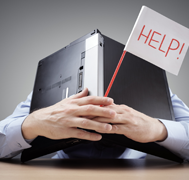
    But while incomes have declined, debt payments haven’t necessarily done the same.

    Some lenders offered loan deferrals, but it’s important to note that deferrals aren’t forgiveness. What this means is that you will have to pay those debts eventually — and it may come with extra costs, such as interest for the deferral period.

    And not all lenders have even offered these deferrals. Some may expect you to keep making your payments throughout the COVID-19 pandemic, plus your other bills, like housing and utilities.

    If you’re in this boat, you might need help to get out of debt.

    The Problem with Payday Loans

    Payday loans should be avoided completely if you want to get out of debt.

    The simple truth is that payday loans rarely (if ever) actually improve your finances. This is because:

    • They’re short-term. They need to be repaid within 14 to 62 days.
    • They come with sky-high interest rates. Payday lenders often charge an annual interest rate of between 391% and 652%!

    The worst part is that payday loans trap you into a vicious cycle that creates more debt.

    Take this scenario:

    • You take out an advance on your paycheque for $750, plus fees and interest.
    • That money must be paid back within three weeks, or 21 days.
    • You receive your next paycheque, but your other bills have come due and you need the pay to pay for those obligations.
    • You’re unable to pay back the payday loan – what do you do?

    For most people, the answer is take to out another payday loan, which creates an unending cycle of paying off debt with more debt.

    During the COVID-19 pandemic, payday loans are even more unsustainable. If your income has been affected, you may not have another paycheque to find the funds, or you could be dipping into emergency help benefits, such as CERB payments.

    Where to Get Online Debt Help During the COVID-19 Pandemic

    There are other options to get out of debt besides payday loans.

    You might consider:

    • Budget management.
    • Financial restructuring or debt consolidation.
    • Settling outstanding debts.
    • Refinancing your mortgage.
    • Special programs (such as the access DebtCare Canada provides to a program that can resolve a CRA back tax problem).
    • Filing for insolvency – bankruptcy or a consumer proposal.
    • And more.

    The exact options will depend on your situation. At DebtCare Canada, our consultants look at your whole financial picture to find the best solution for you.

    During COVID-19, you’ll need to get online debt help to maintain physical distancing. DebtCare has been able to operate 100% remotely since the start of the pandemic. You can book a free consultation by:

    • Calling 1-888-890-0888
    • Texting “HELP” to 1-888-890-0888
    • Visiting debtcare.ca/
  • Get Debt Help Without Leaving the House – Here’s How

    In the past, before the novel coronavirus (COVID-19) people might have gone to see a financial consultant in person for debt help or otherwise, but with social distancing in effect, that is not advised right now unless absolutely essential.

    However, debt help is more necessary than ever right now. The impact of COVID-19 has left many Canadians out of work and struggling to pay bills.

    A report from the Canadian Centre for Policy Alternatives warns the unemployment rate could rise to 13.5%, the highest level since the Second World War.

    In one week, more than 500,000 Canadians applied for employment insurance (EI). The government is also expecting more than 4 million applicants for the recently announced Canada Emergency Response Benefit (CERB).

    While some government help is available — such as emergency caregiver assistance and a wage subsidy for eligible employers — these programs are still rolling out and there may be a waiting period to receive funds. And for many, the assistance provided may not be enough to get by.

    Dealing with Debt to Free Up Finances

    Debt payments take up a large chunk of Canadian budgets. According to Equifax Canada, the average Canadian carries $72,950 in debt. $23,800 of that is non-mortgage debt (which includes credit cards, loans and lines of credit).

    Even carrying a little bit of debt can stretch your budget, especially when your income is reduced. Do you want to be putting your limited income towards credit card payments?

    When every penny counts, it’s better to make that money work for you — instead of using it to repay past expenses.

    The time to deal with debt is now, particularly if you have been laid off or your income has been affected by COVID-19 or otherwise.

    While everyone is frightened and worried (and rightfully so), the current situation and loss of income will allow people to get much lower deals on their debts as their income has been reduced. Most creditors will be accepting any reasonable offer.

    If you wait until your income has returned, the opportunity to have your debt reduced to the same extent will be gone.

    How to Get Debt Help Online

    The key to getting debt help online — without leaving your house — is knowing what you are looking for.

    You want to find:

    • A debt consultant that has an established reputation (meaning you can trust their services — this is especially important when you cannot visit their offices due to social distancing).
    • A debt consultant that works in your part of the country or nationally.
    • A debt consultant set up for remote access — with social distancing, you shouldn’t have to go into an office.
    • A debt consultant that will review all your options.

    We can only speak to our services at DebtCare Canada, but we provide exactly that. We’ve helped thousands of Canadians deal with their debt and get their finances back on track.

    We act solely in your interest to ensure that you get the best possible results by utilizing federal government programs and other financial solutions to help you deal with your debt with dignity.

    Our reputation is trusted and secure. We operate nationally and remain fully functional during the COVID-19 pandemic through remote operations.

    How to Contact DebtCare Canada Remotely:

    We know this is a stressful time and we want to assure you that DebtCare is here for you. If you are struggling, please reach out. 

    You can also follow us for regular information related to dealing with your finances during COVID-19 and beyond. DebtCare is on Twitter, Facebook, and LinkedIn.

    Learn more about our services at https://debtcare.ca/.

  • Consumer Proposal vs. Bankruptcy – We Break It Down

    Consumer proposal vs. bankruptcy – what is the difference, and which one is the best choice for you? If you want to find out the answer, read on!

    For Canadians struggling with debt, both filing for a consumer proposal and filing for bankruptcy can be a way out. But how can you tell which one is right for your situation? We’re breaking it down.

    We’ll look at:

    • What is a consumer proposal?
    • What is bankruptcy?
    • Consumer proposal vs. bankruptcy – main differences
    • Bankruptcy or consumer proposal – which one is best for you?

    Consumer Proposal

    A consumer proposal is a form of insolvency filing where you make a settlement offer to your creditors. That’s where the name comes from — it is a proposal to creditors from you, the consumer.

    In your proposal, you offer to settle your debts for less than you owe, but more than your creditors would receive if you filed for bankruptcy, instead.

    The majority of your creditors must accept your proposal for it to be approved.

    Generally in a consumer proposal, your assets are not sold off to pay your debts. A consumer proposal is only available for unsecured, non-mortgage debts between $8,000 to $250,000. If you are carrying more debt than that, you might consider another type of proposal, or filing for bankruptcy. You also must be able to demonstrate your ability to repay a portion of your debt.

    Bankruptcy

    In personal bankruptcy, you assign your assets in exchange for the elimination of your debts. Every province has certain exceptions for what you can keep but, depending on the amount of debt you owe, some assets may be sold.

    You can file for bankruptcy if you owe at least $1,000 and are not able to pay your debts. Bankruptcy only deals with secured debts, such as personal loans, credit cards, and tax debt. It doesn’t erase most secured loans, such as a car loan or mortgage, although those assets may be repossessed if you cannot meet those payments.

    To be discharged from a bankruptcy, you must meet a schedule of payments, set out by a Licensed Insolvency Trustee.

    Consumer Proposal vs. Bankruptcy – Main Differences

    Filing for a consumer proposal and for bankruptcy are two different things. The main differences are:

    • In a consumer proposal, you can only file if you owe less than $250,000 in non-mortgage debt. In a personal bankruptcy, there is no limit.
    • A consumer proposal must be accepted by the majority of your creditors. A bankruptcy does not need approval.
    • Filing for a consumer proposal leaves you with an R9 rating on your credit report while you are in the proposal; it is upgraded to an R7 once it is paid off. The R7 stays on your credit report for three years after completion.
    • Filing for bankruptcy leaves you with an R9 credit rating while in the bankruptcy and for seven years after it is discharged (it is never upgraded to a better rating throughout that time).
    • A consumer proposal generally does not affect your secured assets, like your mortgage or car – although this depends on your personal situation.
    • A consumer proposal allows you to rebuild credit faster, particularly if you pay it off quickly.

    Bankruptcy or Consumer Proposal – Which One is Best for You?

    Whether you choose to file for bankruptcy or for a consumer proposal can depend on your circumstances.

    Questions to consider include:

    • How much total debt are you carrying?
    • How much unsecured debt are you carrying?
    • How much are your secured assets worth?
    • Can you demonstrate the ability to repay a portion of your debt?

    It can difficult to answer these questions on your own. The best way to go about deciding which insolvency option is for you – or if there is an alternative debt consolidation method that may work – is by contacting a debt counsellor, such as DebtCare Canada, for a free consultation.

    Having an Advocate on Your Side

    Both a consumer proposal and bankruptcy must be filed through a Licensed Insolvency Trustee (LIT, or formerly known as a Trustee in Bankruptcy). However, if you’re filing for insolvency, it’s also important that you have an advocate on your side.

    While Licensed Insolvency Trustees administer the consumer proposal or bankruptcy, they are not equipped to be this advocate for you. A) They represent both you and the creditor, so they are not entirely on your side. And B) they earn their money based on the size of your filing.

    It’s best to have a debt counsellor – like our experts at DebtCare Canada – on your side during an insolvency filing to ensure you are represented at the table during the filing process. We can make sure you are protected and getting the best deal possible.

    At DebtCare, we will help you decide whether filing for bankruptcy or for a consumer proposal is right for you and be your advocate throughout the entire process. We perform an independent review of your financial situation and make practical recommendations that will work for you.

    Contact us today for a free consultation. Call 1-888-890-0888 or visit www.debtcare.ca.

  • If I File for a Consumer Proposal Does It Mean I’m Bankrupt?

    If you file for a consumer proposal does it mean you’re bankrupt?

    It’s a common question we receive, but the short answer is NO.

    While both programs are administered under the Insolvency Act, filing for a consumer proposal and filing for bankruptcy are two different things. Filing for a consumer proposal doesn’t mean you’re bankrupt, just as filing for bankruptcy doesn’t mean you’re in a consumer proposal.

    And both have different implications for your credit score.

    When you file for a consumer proposal, you are given an R9 credit rating while in the proposal (this is the worst credit rating you can receive). However, once your proposal is paid off, you are upgraded to an R7.

    The R7 stays on your credit report for three years from completion. So, in three years, your credit will be clean. You can pay off your consumer proposal in anywhere from one month to five years. This could mean your credit score is clean as soon as three years and one month after filing!

    Bankruptcy is a little different. When you file for bankruptcy, you are given an R9 rating that stays on your credit report for seven years after completion. First time bankruptcies can be paid off in nine-to-21 months, so the R9 rating would stay for seven years after that.

    A consumer proposal allows you to rebuild credit faster, particularly if you can pay it off quickly.

    That’s where working with financial counsellors, like DebtCare Canada, comes in. We can help you decide which is best for you — filing for a consumer proposal or filing for bankruptcy — and make sure you are protected along the way.

    We are on your side and will work to secure you the best deal possible in your consumer proposal or bankruptcy.

    If you’re thinking of filing for either, contact us first for a free consultation. Call 1-888-890-0888 or visit www.debtcare.ca.

  • Requirement to Pay – If You Received One, Act Before Life Gets Uncomfortable

    A requirement to pay is one of the most uncomfortable forms of debt collection you can receive.

    A requirement to pay can be:

    • Sent directly to your employer (as a wage garnishment) so your employer will have to send a portion of your paycheque directly to the CRA. This can be embarrassing as now your employer will know you owe a tax debt.
    • Sent directly to your clients if you are self-employed or a sole proprietor. This is embarrassing and can also be damaging to your business if your clients switch to a competitor because they are worried about your financial situation.
    • Sent directly to the bank so the funds will be taken out of your bank account. You will be in for a shock when you go to access your account and find less in there than you expected, which could put you into financial trouble in other areas of your life.

    In any of these situations, a requirement to pay can make your life extremely uncomfortable at best, and at worst can result in long-lasting consequences that affect your reputation, finances, and livelihood.

    The solution? Take action — fast.

    Like any CRA collection action, a requirement to pay can be stopped by:

    • Paying the tax debt in full — however, this may not be an option if you don’t have the money available.
    • Filing for a consumer proposal or bankruptcy.
    • Working with a tax debt counsellor, like DebtCare Canada.

    The worst thing you can do is try to negotiate with the CRA yourself. At best, you will still have to pay the text debt in full and in a timely fashion, and at worst you may reveal information that allows the CRA to issue more requirements to pay.

    The better option is to work with a debt counsellor. For instance, at DebtCare Canada we offer one of the only programs that resolves CRA back taxes, including stopping collection action in its tracks.

    If you’ve received a requirement to pay from another creditor, we can help, too. We will work with you to stop the collection action as quickly as possible so you can avoid costly consequences — both financial and reputation-wise.

    If you’ve received a requirement to pay, don’t wait. Act now.

    Contact us for a free consultation. Call 1-888-890-0888 or visit www.debtcare.ca.

  • 2 Ways to be Out of Debt Within 5 Years

    When you’re in financial trouble, you want to get out of debt quickly. But finding out how to pay off debt fast can depend on many factors:

    • The amount of debt. If you are carrying a lot of debt, the time to pay it off in full may be longer.
    • How much debt and interest you accumulate along the way. The problem with paying off high-interest debt is that the interest continues to add up. If the debt is high enough, you may only be able to afford the interest payments each month, leaving you still in debt.
    • Your income level. Unless your income level drastically changes, it might be hard to find room in your current budget to truly get out of debt fast without your quality of life suffering.

    Some credit cards can take up to 96 months to pay off in full — the equivalent of eight years! That’s eight years of scrimping and saving and constantly having to think about debt payments. There is a better way.

    In order to get out of debt fast you need a solution that:

    • Is realistic and sustainable. You want this to last for the long-term.
    • Is easy to access. If your credit score is hurt, options may be limited.
    • Avoids high-interest payments or fluctuating interest payments.

    Luckily, there are two solutions that meet all of these requirements and more! Pay off debt quickly — within five years (or sooner!) — with one of these methods:

    1. Second mortgage amortized over five years.

    If you own your home, you may be eligible for a second mortgage. You can amortize this mortgage over five years and then use the equity to pay off your debt in one lump sum. Then, over the next five years, you can pay the second mortgage back in fixed, scheduled payments.

    You will always know what you are paying and when you are paying it. This will allow you to budget wisely and with flexibility.

    1. Filing for a consumer proposal.

    If you don’t own a home, or a second mortgage isn’t an option, filing for a consumer proposal may be the way to go. In a consumer proposal, you make an offer to your creditors to pay your debts for less than you owe. The creditors must feel confident that they are getting more back than they would if you filed for bankruptcy instead.

    Once you are in a consumer proposal, you have five years to pay it off. You can do so sooner if you have the money available. This will allow you to clear your high-interest debts quickly and pay back one monthly payment over a planned, fixed schedule.

    Within five years, you can be debt free and with a lot less stress along the way!

    Interested in exploring your options? DebtCare Canada can help. We provide access to second mortgages, first mortgages, home equity lines of credit, and more to people with all types of financial situations.

    Or, if you’re thinking about filing for a consumer proposal, our financial advisors will make sure you are protected and getting the best deal possible.

    Contact us today for a free consultation. Call 1-888-890-0888 or visit www.debtcare.ca.