
debtcare.ca

Tag: consumer proposal

  • If I File for a Consumer Proposal Does It Mean I’m Bankrupt?

    If you file for a consumer proposal does it mean you’re bankrupt?

    It’s a common question we receive, but the short answer is NO.

    While both programs are administered under the Insolvency Act, filing for a consumer proposal and filing for bankruptcy are two different things. Filing for a consumer proposal doesn’t mean you’re bankrupt, just as filing for bankruptcy doesn’t mean you’re in a consumer proposal.

    And both have different implications for your credit score.

    When you file for a consumer proposal, you are given an R9 credit rating while in the proposal (this is the worst credit rating you can receive). However, once your proposal is paid off, you are upgraded to an R7.

    The R7 stays on your credit report for three years from completion. So, in three years, your credit will be clean. You can pay off your consumer proposal in anywhere from one month to five years. This could mean your credit score is clean as soon as three years and one month after filing!

    Bankruptcy is a little different. When you file for bankruptcy, you are given an R9 rating that stays on your credit report for seven years after completion. First time bankruptcies can be paid off in nine-to-21 months, so the R9 rating would stay for seven years after that.

    A consumer proposal allows you to rebuild credit faster, particularly if you can pay it off quickly.

    That’s where working with financial counsellors, like DebtCare Canada, comes in. We can help you decide which is best for you — filing for a consumer proposal or filing for bankruptcy — and make sure you are protected along the way.

    We are on your side and will work to secure you the best deal possible in your consumer proposal or bankruptcy.

    If you’re thinking of filing for either, contact us first for a free consultation. Call 1-888-890-0888 or visit www.debtcare.ca.

  • A Consumer Proposal is One Way to Stop a Wage Garnishment Dead in its Tracks!

    How do you stop a wage garnishment?

    If your paycheque is being targeted by creditors, it’s a critical question to ask – and we have the answer.

    Stopping a wage garnishment immediately is vital to your financial health:

    • A wage garnishment removes a percentage of your paycheque automatically.
    • It can be embarrassing – your employer (or clients if you’re self-employed) will find out that you are being garnished.
    • And it can put you in even more debt if you can’t afford your other expenses because of the garnishment.

    Luckily there are ways to stop a wage garnishment in its tracks. One of these methods is by filing for a consumer proposal.

    In a consumer proposal you make an offer to your creditors to settle your debt for a lower amount than you owe. The majority of your creditors must accept your proposal and they must think that it is more beneficial to them than if you were to file for bankruptcy instead.

    To qualify for a consumer proposal, you must:

    • Have less than $250,000 in unsecured, non-mortgage debt.
    • Be able to demonstrate your ability to repay at least a portion of your debt.

    Benefits of filing a consumer proposal:

    • It stops collection actions by creditors – including wage garnishments.
    • As long as the majority of your creditors accept the proposal it is binding on all creditors whether they voted against the proposal or not.
    • In most cases you can keep your home, car, and investments.
    • It allows for one low, interest-free monthly payment.
    • It can be paid in full at any time, at no additional cost.

    A consumer proposal stays on your credit rating for three years from the date it is paid in full as opposed to a bankruptcy that will remain on your credit for six years from the date that it is discharged.

    How to file for a consumer proposal:

    A consumer proposal is filed by a Licensed Insolvency Trustee (LIT) – formerly known as a Bankruptcy Trustee. But it’s important to note that LITs represent both you and your creditors and they are paid on a percentage of the consumer proposal they negotiate. The larger the settlement, the more money they make.

    We recommend working with an independent financial advisor who is strictly on your side to advocate for you throughout the consumer proposal process. At DebtCare Canada, we do just that. We perform an independent review of your financial situation and make practical recommendations that will work for you.

    If a consumer proposal is your best choice, we will work with you and structure the terms of your proposal before you meet with an LIT. With our assistance we will schedule a meeting with a Trustee and negotiate on your behalf as well as supervise the entire process.

    Stop a wage garnishment today. Contact us to get started. Call 1-888-890-0888 or visit www.debtcare.ca.

  • How is a Consumer Proposal Different from a Bankruptcy?

    Consumer proposal vs. bankruptcy — what’s the difference?

    At first glance, they can appear similar. Both clear your debt, stop collection action, and can harm your credit. But when we get into the nitty-gritty, there are several big things that set them apart.

    1. Assets

    Bankruptcy: When you file for personal bankruptcy, your assets are on the line. There may be allowable exceptions, like a car beneath a certain value, but anything over that can be taken. Each province in Canada has specific exceptions.

    Consumer Proposal: When you file for a consumer proposalyour assets aren’t touched. Instead, an agreement is made with your creditors to pay an amount of money in lieu of the full payment, and if they accept your debt is cleared, collection action stops, and your assets cannot be seized. But you have to prove that it is more lucrative for your creditors to accept your consumer proposal than it would be for them if you declared bankruptcy.

    1. Cost and Payment Schedule

    Consumer Proposal: A consumer proposal payment schedule is designed for you. You make a proposal to your creditors, usually a percentage of your total unsecured debt, and then you create a schedule to pay back that percentage. These are usually fixed, monthly payments that are made over a term of 48 to 60 months (four to five years). You also must pay the Licensed Insolvency Trustee (LIT) who files your consumer proposal a portion for his fee.

    Bankruptcy: Bankruptcy payments vary as they are based on your income. The more money you make, the more you’ll have to pay. A first-time bankruptcy can be completed in as little as nine months. If you have surplus income (if your household income is over the allowed amount) it may be extended up to 21 months. You are also required to pay the LIT a portion for his fee.

    1. Credit Rating Impact

    Bankruptcy: If you claim bankruptcy in Canada, you will receive an R9 credit rating. This is the worst rating you can have. It will stay on your credit report for six to seven years after you are discharged, depending on your province. If you are discharged after nine months, then the credit rating might stay on your record for seven to eight years total.

    Consumer Proposal: With a consumer proposal, you will receive an R7 credit rating. It will remain for three years after you complete your payments. So, if you complete your payments in five years, the R7 credit rating will remain for eight years total (five years, plus three years after it’s completed).

    1. Monthly Duties

    Consumer Proposal: There are no monthly requirements with a consumer proposal, besides making your payments on time. You do not need to report any changes in your income. You have to attend two credit counselling sessions.

    Bankruptcy: You are required to complete a monthly budget for income and expenses and supply copies of your pay stubs to your Licensed Insolvency Trustee (LIT). You also have to attend two credit counselling sessions.

    1. Tax Refund

    Bankruptcy: You will lose all tax refunds or tax credits you are owed.

    Consumer Proposal: You keep all tax refunds or credits you are owed.

    1. Eligibility

    Consumer Proposal: Your total debt cannot exceed $250,000 (excluding a mortgage) and you must be able to afford to repay a portion of your debts. You are not guaranteed to be granted a proposal just by filing one. It must be accepted by the majority of your creditors. You need to prove that they would be better off with this arrangement than if you filed for bankruptcy.

    Bankruptcy: Any Canadian resident who owes more than $1,000 in debt and is insolvent is eligible to file for personal bankruptcy.

    When you’re choosing between filing for a consumer proposal or filing for bankruptcy, there is no clear winner. They both have far reaching consequences and will take years to recover from.

    You also need to consider the bigger financial picture and all your forms of debt. Both a bankruptcy and a consumer proposal can cover unsecured credit and debt, such as credit cards, unsecured bank loans, lines of credit, payday loans, and unpaid bills.

    But they won’t deal with secured debt, like your mortgage, secured car loan, or lease. They also won’t include debts like spousal or child support, court-imposed fines, and student loans that are less than seven years old. You will still have to pay those debts.

    If you’re in a position where you’re considering filing for either one, make sure you have explored all of your other options. There could be another debt management solution that works better for you, without the same repercussions. And if you do decide to file, make sure that you seek independent representation besides your LIT.

    Remember, LITs make money off of your consumer proposal or bankruptcy. You need someone who represents you — and only you — when you’re going through the process.

    At DebtCare, we provide just that. We can represent you when filing for a consumer proposal or bankruptcy, and we can also make sure you have eliminated all other debt consolidation strategies.

    Contact us today for a free consultation. Call 1-888-890-0888.

  • Two Ways to Get Out of Debt in 5 Years or Less

    What is the best way to get out of debt fast?
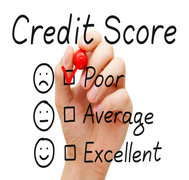
    Unfortunately, when it comes to debt there is rarely an easy way out. You likely didn’t get into debt overnight, so it’s going to take some time to regain your financial freedom. But there are options that can significantly speed up the process.

    We’re looking at two of these options: filing for a consumer proposal and securing second mortgage financing. Read on to determine if one would work for you.

    1. Consumer Proposal

    In a consumer proposal, an offer is made to your creditors to repay a portion of what you owe in lieu of the whole payment.

    A consumer proposal is generally termed over five years. It is suitable for someone who is loaded in debt, making minimum payments, has defaulted on debt, or is having problems managing payments. It stops collection action and interest.

    You might be eligible for a consumer proposal if you:

    • Have under $250,000 in debt (excluding your mortgage).
    • Are a higher-income earner who has gotten into a bad financial position.
    • Are a homeowner with some equity available.

    However, filing for a consumer proposal has its downsides, too. For one thing, it can critically affect your credit score, making it extremely difficult to qualify for credit for years after the fact. It must also be filed through a Licensed Insolvency Trustee (LIT, or formerly known as a bankruptcy trustee) who takes a portion of what you pay. And there is no guarantee that the majority of your creditors will accept your proposal; you have to prove that this option would be more lucrative for them than if you filed for bankruptcy instead.

    If you’re considering filing for a consumer proposal, it’s best to seek the advice of a qualified debt consultant who represents you and isn’t making income off of your consumer proposal.

    1. Second Mortgage Financing

    If you’re a homeowner, securing a second mortgage might be available to you.

    A second mortgage doesn’t affect the first mortgage and it can be amortized over five years to see you out of debt, without stretching out over 25 years like your first mortgage.

    It’s best suited to those with home equity (at least 20% to 30%) and good credit. If your credit score is low, but you have equity, there may still be a lender who can help but it likely won’t be a prime lender.

    A second mortgage can be a good way to consolidate debt, so long as you can make the payments on time. It can allow you to pay off your other outstanding debts and only have one monthly payment. Second mortgages typically carry a higher interest rate than first mortgages, but the rate is still often lower than the interest you might have from credit cards, car lease payments, or unsecured lines of credit.

    If your debt is so large that it couldn’t be paid off with a second mortgage, or you’re not eligible for one, then filing for a consumer proposal might still be your best option.

    You don’t have to assess your financial situation alone. Handle everything in one place and get your financial advice from someone who represents you and can deploy all financial solutions.

    At DebtCare Canada we have financial programs that offer help to people with all types of credit and income. We can help you secure a second mortgage, represent you while filing for a consumer proposal, or explore other debt consolidation options.

    Contact us today for a free consultation. Call 1-888-890-0888.

  • Will Filing for a Consumer Proposal Ruin Your Credit?

    One of the questions we’re asked most often has to do with filing for a consumer proposal and your credit score. Many people want to know – if you file for a proposal, will your credit be ruined?

    The answer isn’t as simple as “yes” or “no.”

    To start, we need to look at what classifies as having “good” credit. If your credit score is in a high range, but you’re considering filing for a consumer proposal, we’re going to hedge a bet and say you probably don’t have “good” credit.

    Good credit is more than just your score. If you’re loaded in debt, have maxed-out credit cards, and are only making the minimum payments each month, that’s not good credit. Not to mention, it’s unsustainable for long-term financial health.

    Your credit score is based on many factors, including the amount of new credit you take out, your payment history, and the amount of debt you carry. For example, if you have a total credit limit of $5,000 and consistently carry a high balance, your credit score will be impacted. So, if you’re in debt and struggling to make ends meet, it’s very likely your credit is already being affected.

    Not only that, but then you have to consider the consequences of what would happen if you miss a debt payment completely. Defaulting on your current debts is the quickest way to get a bad credit score. Missing even one payment can be detrimental. And if you default on multiple accounts (phone bills, utilities, etc.) you might lose track of what’s been paid and what hasn’t, meaning your score will be harmed even further.

    If you’re already struggling with debt, even if you’ve been making minimum payments, there may be a month where you can’t make that payment. Or if Canadian interest rates keep increasing, it could hike your debt up to an unmanageable level. And then your credit score will be hurt anyways.

    Worse still, if you do default on a payment, that bad credit will remain for seven years after it’s resolved. This means it will stay after it’s paid in full, settled in full, or included in a consumer proposal, credit counselling, or bankruptcy.

    Now let’s look at the other side of the coin: filing for a consumer proposal.

    A consumer proposal stays on your credit for three years after it is paid in full. Typically, many people pay off a consumer proposal in four or five years, so the consumer proposal credit score could stay on your record for seven or eight years if you follow this path. But because you make a single settlement that addresses all debt, once the creditors accept it, you don’t have to take four or five years to pay if off. If you have the funds, it can be paid in full at any time.

    Plus, if you can make more than the minimum payments, you can pay off a consumer proposal sooner and start credit repair that much quicker.

    You can also start rebuilding credit right away after filing for a consumer proposal. Getting a personal loan or a secured credit card that reports to your credit report are two great ways to do it.

    Traps you want to avoid in either case, whether you file for a consumer proposal or not, are things like payday loans or creating more unsecured debt, like adding another unsecured credit card.

    In short, if you’re considering filing for a consumer proposal because you’re at the end of your rope financially and not sure how you’ll continue to manage all of your debt, your credit is probably being harmed anyways. Filing for a consumer proposal could give you the opportunity to rebuild and start fresh.

    At DebtCare, we understand how difficult it can be when you’re considering whether to file for a consumer proposal. We can help you weigh your options, deal with your debt, and, if needed, rebuild credit.

    Call us today for a free consultation: 1 (888) 890-0888.

  • Your 2018 Debt Consolidation Options

    As Canada’s household debt continues to rise, many Canadians are looking at debt consolidation options. Rising interest rates and new mortgage rules are leaving less room for debt and those who once had a comfortable cushion may now find themselves struggling.

    If you’re finding yourself in a position where your debt is becoming unmanageable, or you want to be proactive and pay it down before it becomes so, here are your 2018 debt consolidation options you may want to consider:

    1. Home Equity Loans

    If you have equity available in your home, you may be eligible for a home equity loan. This can be a viable option, so long as the interest is low. You can use the loan to pay off your higher-interest debts and then repay your home equity loan in single, monthly payments. However, home equity loans often depend on your credit score and the interest can be high.

    1. Lines of Credit

    A line of credit is similar to a home equity loan, only you don’t need to own a home. A line of credit can also help with your debt consolidation, but it can come at price. Many will cost you 8% interest or higher, meaning you’ll be able to pay down debt, but repaying your line of credit will cost you. You also need to have good credit. If you have bad credit or owe a lot of debt, this may not be the answer for you.

    1. Mortgage Refinancing for First Mortgage or Second Mortgage

    Both mortgage refinancing or a second mortgage are great options if you have a lot of debt and sufficient equity. However, your credit often needs to be good and if you’re carrying too much debt, you may not be eligible.

    1. Consumer Proposal

    If your debt is excessive, you may be able to manage it through filing a consumer proposal. An offer is made to your creditors to repay a portion of what you owe in lieu of the whole payment. However, filing a consumer proposal can majorly affect your credit score making it extremely difficult to qualify for any type of credit years after the fact. A consumer proposal must also be filed through a Licensed Insolvency Trustee (LIT, or formerly known as a bankruptcy trustee) who takes a portion of what you pay.

    1. Bankruptcy

    Filing for bankruptcy leaves you with only one monthly payment, stops interest and collection action, and reduces debt. However, like with a consumer proposal, it also majorly affects your credit. It must also be filed through a LIT.

    A seasoned financial professional experienced in all of the above is your best bet to get professional financial guidance. Not only can DebtCare Canada work through the debt consolidation options, but they can also liaise and arrange the solution.

    At DebtCare, we deal with debt. A debt consolidation may just be the answer you’re looking for when it comes to getting rid of debt.

    Call us today at 1-888-890-0888.

  • Mortgage Refinance vs. Consumer Proposal: What Makes More Sense When You Own a Home?

    Many Canadians are struggling with debt and with the Bank of Canada interest rates increasing that struggle may become even worse as time goes on. However, there are options available for debt consolidation — particularly if you own your own home.

    If you are a homeowner, a scenario you may have considered to manage your debt is a mortgage refinance. But there’s another option that more Canadians are choosing than ever before — a Consumer Proposal. If you’re struggling with debt and own a home, what’s the better option — a mortgage refinance or a Consumer Proposal? We’ve got the details to help you decide.

    1. Mortgage Refinance

    We’ll start by defining what exactly a mortgage refinance is. Some confuse a mortgage refinance with a second mortgage, but it isn’t the same thing. A mortgage refinance is the process of replacing your existing mortgage (or mortgages) on your property with a new mortgage, generally with different terms. For example, say you have a mortgage of $200,000 with Lender A at a 7 per cent interest rate, but you discover that you can refinance your mortgage with Lender B for $200,000 at a 5 per cent interest rate. You can use the loan from Lender B to repay Lender A and then continue to pay back Lender B at a lower interest rate, saving you money over the long run.

    You can also use a mortgage refinance to pay off debts, provided you have enough home equity available. Let’s say you had that $200,000 mortgage loan from Lender A at 7 per cent and also had $20,000 in credit card debt. You then find out you can get a loan from Lender B for $220,000 at an interest rate of 5 per cent. So, you pay back Lender A and you pay off your credit card bills and then continue to pay back Lender B, again at that lower interest rate. Now you only have one debt to pay off and will again be saving more money over time.

    1. Consumer Proposal

    A Consumer Proposal is an offer to your creditors to reduce your debts. For example, if you owe $50,000 in debt, a Consumer Proposal may offer $15,000 to your creditors to satisfy your debts, provided you can prove that you don’t have the ability to pay in full. If your creditors accept your Proposal, you can then proceed to make a single payment over an interest-free term of up to five years. In order to qualify for a Consumer Proposal, you need to have debts exceeding $8,000 but not more than $250,000 and you must demonstrate the ability to be able to repay a portion of your debt. Unlike a bankruptcy, a Consumer Proposal can be paid in full at any time. However, a Consumer Proposal does affect your credit score. Consumer Proposals are administered by Licensed Insolvency Trustees, who have a legal obligation to maximize the return for your creditors and get paid a portion of what you pay. Get your own financial advice by speaking to an independent financial firm, such as DebtCare Canada.

    1. Mortgage Refinance Consumer Proposal

    Now that you know the difference between a mortgage refinance and Consumer Proposal, how can you decide what the best option is for you?

    The first consideration can be how deep in debt you are. If you have a significant amount of debt, but don’t have the equity available in your home, a Consumer Proposal may be the option for you as a mortgage refinance wouldn’t allow you enough money to get your head above water.

    A Consumer Proposal is advantageous when there is more debt and less equity whereas a mortgage refinance is favourable when there is more equity available. Also, credit plays a role in your ability to refinance a mortgage. If you are loaded in debt, have been making late payments, and/or have bruised your credit, that will have to be resolved before many lenders will look at you for a mortgage refinance – unless you have more than 20 per cent equity.

    If you’re not sure whether a mortgage refinance or Consumer Proposal is right for you, or want to explore more debt consolidation options, DebtCare Canada can help. We perform an independent review of your financial situation and make practical financial recommendations that will work for you.

    Call us today at 1-888-890-0888 or visit www.debtcare.ca to take a free, online assessment.

  • Consumer Corner: Everyone is Recommending a Consumer Proposal When I Want to Go Bankrupt

    Most people understand the concept of bankruptcy – a situation where you surrender everything you own in exchange for debt elimination – but what about a consumer proposal? Perhaps you’ve heard the commercials or done your own research. If you’re in significant debt, having trouble making monthly payments, or just looking for some breathing room, a consumer proposal is a fantastic debt relief option.

    If you’re looking for a solution to a financial problem or accumulated debt, you may be considering the benefits of a bankruptcy versus consumer proposal and wondering which one to choose.

    So, what exactly is a consumer proposal? It is a formal, legally binding process that is administered by a Licensed Insolvency Trustee (LIT). In this process, the LIT will work with you to develop a “proposal”—an offer to pay creditors a percentage of what is owed to them.

    Some consumers feel they want to go the bankruptcy route to solve their debt problems in one fell swoop, but find that a consumer proposal is recommended instead. What’s the difference?

    Some benefits of a consumer proposal include:

    • You can pay it off early – you can’t do that with a bankruptcy.
    • It’s your final agreement – bankruptcies will continue until your bankruptcy trustee discharges you.
    • You know exactly when the debt will be paid off.
    • You can rebuild credit sooner – consumer proposals are removed from the credit report three years after they are paid in full, whereas bankruptcies stay for six years from the date you are discharged.
    • Your debts are combined into one monthly payment that you can afford.
    • If the majority of your creditors accept the consumer proposal, your other creditors are automatically included.
    • All interest stops, as do most wage garnishments. This is the same with bankruptcy.

    If you’re thinking of making a consumer proposal, start by consulting with a financial professional who specializes in this before heading directly to trustee. They can structure your information and negotiate your proposal with the LIT to help you potentially save thousands of dollars, even tens of thousands of dollars.

    Protect yourself and your money. At DebtCare, we can independently review your financial situation to make practical financial recommendations that will work for you.

    We’re always in your corner. Call us today at: 1 (888) 890-0888.


  • Is a Consumer Proposal the Right Answer?

    Over the last few years, as Canadian consumer debt levels have risen, many Canadians have found a consumer proposal to be a very viable option for debt relief. When debt becomes overwhelming and payments are being missed, climbing out of the hole can seem impossible. Sometimes a consumer proposal is the best way to get a handle on things and start fresh, but is it always the answer?

    With a consumer proposal, a careful review of your financial situation results in a proposed amount to be repaid to your existing creditors. This number is then presented to the creditors, and the majority must accept. Once accepted, the proposal is legally binding.

    The benefits of a consumer proposal are well known. Once a proposal is accepted by the majority of your creditors and is in place, you no longer have to pay interest, can pay the debt back over 4-5 years, and often have to pay back less than the total owed. Additionally, all debts included in the proposal are combined and so you only have to make one monthly payment. The downside is that your credit will take a hit, but if you’re considering a proposal, this may have already happened.

    As far as how much debt is enough to warrant a consumer proposal, there is no established minimum, but people don’t generally file one unless they owe $8000 or more.

    Sound too good to be true? It isn’t. Really.

    But is it the best option?

    Let’s compare it to another popular debt relief option, a second mortgage. A second mortgage using some of the equity in your home is another great way to get a handle on your debt. Although it involves interest, you can make the term shorter so that the debt is paid off sooner. A second mortgage has the same benefit as a consumer proposal in that it consolidates all your debt into one smaller monthly payment, although it doesn’t reduce the amount of your debt or eliminate the payment of interest. A second mortgage is also much better credit-wise and won’t result in the negative impacts to your credit. Of course, you need equity to go this route, but if you have it, it can be a smart option.

    When it comes to dealing with debt that has grown to an unmanageable amount, a consumer proposal may be the best option, but as you can see, it is worth discussing your financial situation with a financial consultant prior to making a decision to see if any other options are worth pursuing, such as a second mortgage.

    At DebtCare, our goal is to help you find the right debt solution to suit your circumstances, be it a consumer proposal or something else.

    Want to get started? Call us today at 1 (888) 890-0888.


  • The Difference Between a Wage Garnishment from the Government and a Creditor

    A wage garnishment is a very popular (or unpopular, depending on your experience) form of collection action. When money is owed to a creditor, obtaining a judgment for enforcement action and implementing a wage garnishment is a common method for retrieval of funds. The Canada Revenue Agency (CRA) is also well known for imposing wage garnishments when money is owed. The process, however, is different for each. So, what’s the difference between a wage garnishment from the government and one from a creditor? We’ll explain.

    Firstly, what is a wage garnishment? When you owe a creditor or the CRA, but have failed to make the necessary payments, that organization has the ability to pursue a garnishment of your wages. Once this happens, your employer will receive a notice of garnishment, which lists the debt amount and the name of the creditor. Your employer is then required by law to pay a portion of your wages. The amount can differ depending on a variety of factors, as well as the organization seeking the garnishment.

    When a creditor garnishes your wages, you will have some warning. Not only will you receive a letter informing you of their intention, the creditor is also required to obtain a judgment against you in court, meaning they must sue you in an action which you can defend. If you fail to defend or don’t receive the letter and judgment is obtained, a notice is sent, as mentioned, to your employer and your employer must then submit the specified portion of your wages to pay your outstanding debt.

    The major difference when the CRA garnishes your wages is that they are not required to obtain a court order. When you owe the CRA and they choose to garnish your wages, they simply send a notice to your employer directly. You may not receive any warning, only finding out about the garnishment on payday. As with a creditor, once this garnishment notice is received by your employer, they are required by law to submit a portion of your paycheque.

    What can you do if your wages are being garnished? Wage garnishments can be devastating financially, so it is important to address the issue as soon as you are made aware of it. Once it is in place, your options are few. To have a garnishment removed you can try negotiating with your creditor to settle the debt, pay the debt in full, or file a consumer proposal or bankruptcy. These options are the same whether you are being garnished by a creditor or the CRA.

    It is a very common practice for both creditors and the CRA to garnish wages. Wage garnishments are typically very effective as they allow the creditor to intercept money before it gets to you.

    At DebtCare, we deal with wage garnishments every day.

    If you’re struggling as a result of one, get in touch with us today to discuss your options for having it removed. 1 (888) 890-0888.