
debtcare.ca

Tag: debtcare Canada

  • CRA Collections and You – How You Can Protect Yourself

    Canada Revenue Agency (CRA) collections can be financially and personally devastating. Whether you’re hit with a wage garnishment, frozen bank account, or lien against your property, the effects can be far-reaching. It might impact your ability to pay your regular bills, alert your employer or clients to your financial position, or put your assets in jeopardy.

    CRA collections can begin without warning and without a court order.

    Often, when a person is hit with a CRA collection action, they ask, “How did the CRA find out my personal information?”

    The answer, usually, is that you told them.

    If you’re talking to the CRA, you need to be careful about what you voluntarily disclose. They can’t begin collection action unless they know where to collect from. For example, your bank account can’t be frozen if the CRA doesn’t know where you bank.

    One of the ways the CRA gets your personal information is through financial disclosure forms. For instance, say you wanted to make a payment plan with the CRA to pay your tax debt. You might directly contact the CRA to do so. They may indicate that they are willing to accept a three-to-six-month payment plan based on $500 per month if you fill out a form providing financial disclosure.

    This form might ask for information about your income, income sources, expenses, assets, liabilities, where you bank, and more. And now they have all this information on file. Even if they accept your payment plan this year, they might not be so lenient if it happens again in a following year. And now they will know where to collect from.

    There’s another added danger of providing this information: once they have your data, the CRA could go back on their original payment plan offer and demand a much larger monthly payment based on what you’ve disclosed.

    They may accept the lesser monthly payment for three-to-six months, but if they demand more, or if you don’t meet the payment plan obligations, the CRA will have all of your personal financial information that you provided in the financial disclosure form and can proceed to take enforcement action against you.

    They can also get your banking information in other ways. For example, if you make a payment to the CRA using your main chequing account and you still owe money, expect your bank account to get frozen.

    You also might unknowingly provide personal information just by talking with a CRA agent on the phone. Remember, they are trained to seem friendly, so you feel comfortable talking with them and revealing personal details. But the friendship isn’t all it seems. Once they have what they need, expect the CRA to turn to collection action.

    All of these reasons are why many agencies advise people who have large tax debts not to deal with the CRA directly. The CRA may say they are willing to negotiate, but they are agents hired by the government to collect the tax debt from you. Their primary objective is to close your file, which can only happen if you pay the amount in full (or you end up filing for a consumer proposal or bankruptcy).

    If you know you owe the CRA and can’t pay in full, you need a plan before even initiating contact.

    • Don’t contact the CRA on your own.
    • Don’t attempt to negotiate with the CRA.
    • Don’t fill out any financial disclosure forms they provide or answer other personal questions when speaking with an agent over the phone.

    Instead, contact a financial consultant to explore your options so you can get your CRA tax debt cleared before collection action is started.

    DebtCare provides access to one of the only programs that can resolve a CRA back tax problem. We can help you before the CRA registers a lien against your home, issues one of your customers a requirement to payorder, or freezes your bank account.

    Contact us today for a free consultation at 1-888-890-0888.

  • Mortgage Refinancing Tips for Reducing Debt

    If you own a home and struggle with debt, you may have considered mortgage refinancing.

    As we’ve written before, if mortgage refinancing is on your mind, you may want to start the process now, before Canadian interest rates increase any further.

    But before you begin you need to make sure that you understand the process and are picking the mortgage refinancing option that is best for you.

    Below are some common refinancing options you may be considering.

    1. Refinancing First Mortgage

    First mortgage refinancing can be a way to assess your monthly mortgage payments and ask if they are still working for your lifestyle. Do you find you’re struggling to make mortgage payments? Or perhaps you have other forms of high-interest debt (credit cards, lines of credit, etc.) and are having trouble repaying those. If you have equity available in your home, then first mortgage refinancing may be for you.

    Consider the following scenario:

    You have a mortgage for $350,000 with Lender A at an 8% interest rate, and you have $25,000 in high-interest debt. You find that you can get a mortgage of $375,000 from Lender B with a 6% interest rate. You use the $350,000 to pay off Lender A, and the $25,000 to pay off your other debt, and then you repay Lender B over the long-term with a lower interest rate.

    But there are downsides to refinancing your first mortgage, too. If you’re breaking your current mortgage in the middle of the term, you might be subject to penalties. Your lender may charge you a prepayment penalty. For fixed mortgage rates this penalty is the greater of three months’ interest or the interest rate differential payment (IRD). For variable mortgage rates this is the equivalent of three months’ interest.

    You will also incur legal fees as a lawyer must change the financing on the title.

    1. Second Mortgage

    A second mortgage is an additional loan taken out on a property that’s already mortgaged. It doesn’t affect your first mortgage, so you won’t be charged for breaking your mortgage early. If you have good credit and more than 20% equity in your home, you may be eligible.

    A second mortgage often carries a higher interest rate than a first mortgage, but the interest rate is still lower than other forms of debt you might be paying off, like credit cards, car payments, or unsecured lines of credit.

    If you use a second mortgage to consolidate debt and make your payments on time, it could help increase your credit score.

    The big downside to a second mortgage is that most lenders will want to know you have good credit and a reliable source of income. A second mortgage is inherently riskier as you’ll now have two mortgages, so a lender will want to make sure you won’t default. And while you won’t be subject to fines for breaking your mortgage early, there may be other fees incurred during the set up.

    If you have equity available in your home and a plan to pay for your second mortgage debt, it could be a good option.

    How to Decide What is Right for You

    If you have good credit, at least 20% equity available, and a plan to pay off the debt long-term, a second mortgage can be a great option for debt consolidation. But you need to know how you will repay it. If your credit has been harmed because of excessive debt, a second mortgage can help you rebuild it so long as you make your payments on time.

    If your mortgage payments are too much, or you have equity available on your current mortgage that you want to access, then refinancing your first mortgage may be the best option. This can be a long-term solution that helps you get out of debt and save more money over time, but it depends on the interest rates you are eligible for.

    Both options include fees. A second mortgage includes appraisal fees, legal fees, a lender’s self-insured fees, and mortgage fees, plus interest on the loan. Refinancing your first mortgage includes legal fees and a potential pre-payment fee if you are breaking your mortgage early. Plus, if you change lenders, you may be subject to another fee.

    If Your Bank Says No

    If you have equity available, but your credit is bruised, you might not be able to get mortgage refinancing or a second mortgage with a prime lender. However, there are many non-mainstream financial institutions that may still lend to you, but you will need a good mortgage broker to get to them.

    Deciding what option is best for you comes down to your debt consolidation needs, your credit score, and your available equity. You don’t have to decide alone. DebtCare’s financial experts can help you take stock of your situation to determine what debt management method is best for you, or if there’s another option that may be even better.

    DebtCare offers one of the most competitive financial programs to help people no matter their credit or income. Bad credit? No problem. Self-employed? No problem. We can assist with first mortgages, second mortgages, home equity lines of credit, and more.

    Call us today for a free consultation: 1-888-890-0888.

  • Missed the Tax Deadline? Read Our Complete Guide to CRA Penalties and Interest

    The 2018 personal tax filing deadline was April 30, 2018. Seeing as we’re now in August, if you missed it and you owe money, you’ve likely racked up Canada Revenue Agency (CRA) penalties and interest by now.

    Late-Filing Penalties and Interest

    According to the CRA, late-filing penalties and daily compound interest start accumulating on May 1, 2018 for any unpaid amounts owing for 2017. You could be charged:

    • 5%of your 2017 balance owing, plus 1% of your balance owing for each full month your return is late, to a maximum of 12 months.
    • 10% of your 2017 balance owing, plus 2% of your 2017 balance owing for each full month your return is late, up to a maximum of 20 months, if you’ve been charged a late-filing penalty on your return for 2014, 2015, or 2016.

    The above amounts are what you could be charged after filing your tax return late. However, if you decided to not file at all, the consequences could be even worse.

    Failure to Report Income Penalty

    If you fail to report an amount on your return for 2017, and you also failed to report for 2014, 2015, or 2016, you may have to pay a federal and provincial/territorial repeated failure to report income penalty.

    Any amount of income of $500 or more that was not reported is considered a failure to report income.

    These penalties are each equal to the lesser of:

    • 10% of the amount you failed to report on your return for 2017; and
    • 50% of the difference between the understated tax (and/or overstated credits) related to the amount you failed to report and the amount of tax withheld related to the amount you failed to report.

    False Statements, Omissions, and Gross Negligence

    If you make a false statement or omission on your 2017 tax filing, you could be charged an additional penalty:

    • $100; and
    • 50% of the understated tax and/or the overstated credits related to the false statement or omission.

    This penalty can be charged whether you knew about the false statement, or if it is caused by “gross negligence,” for instance if you paid somebody else to file your return for you (like an accountant) and they made an error. Even if you pay somebody else, you are still responsible for the accuracy of your return.

    CRA Collections

    If you fail to pay an amount owing on your tax return, the CRA can begin collection action. This can be financially devastating, and publicly embarrassing. Common collection action includes a wage garnishment, a frozen bank account or putting liens on your assets.

    The CRA can begin collections without warning and without a court order. Once a collection action is in place, it becomes even harder to negotiate with the CRA. If the CRA has started collection action, time is not on your side. The only two things that can force a CRA collection action to stop (besides paying the debt in full) are filing for a consumer proposal or filing for bankruptcy.

    What to Do

    If you’re reading this blog, it’s possible that you’re several months behind on filing your tax return, or you haven’t yet paid back the amount you do owe. If this is the case, you don’t want to delay it any longer — that will just result in even more charges, CRA collections, and potential court action for tax evasion. But you don’t have to go it alone.

    You need an expert that can look at your whole financial picture and put together a plan that will work for you.

    At DebtCare Canada, we can help with your tax debt, whether it’s personal income tax, HST, or payroll. We provide access to one of the only programs that can resolve a CRA back tax problem.

    Contact us today for a free consultation. Call 1-888-890-0888.

  • Preparing a Budget to Manage Back-to-School Shopping

    Back-to-school shopping in Canada can quickly get expensive. According to an Angus Reid poll of 1,500 people, in 2017 Canadians expected to spend $883 per family on back-to-school supplies and fashion — $325 more than they spent on holiday gifts last year.

    Over half of parents said that back-to-school shopping puts a strain on their household finances. Nearly 40% said it takes months for them to pay off the bill.

    If you’re already in debt, this could mean digging yourself into an even deeper hole. You need a plan to be prepared, especially with the current economic climate in Canada.

    As we’ve previously written, Canadian interest rates are on the rise. This means anything with a variable interest rate (like credit cards) will get more expensive with each Bank of Canada interest rate increase. So, if you rack up another $883 on your credit cards, the interest to pay it back could be potentially even higher if rates keep going up this fall.

    Don’t break the bank with back-to-school shopping — make a plan instead.

    1. Set a Budget

    How much can you reasonably afford to spend on back-to-school expenses without going into debt? Looking at your household budget can help you answer this. If you know what you typically spend in a month without back-to-school shopping, then you might be able to see where there is wiggle room for what you can spend.

    1. Choose Your Priorities

    As you’re reviewing your monthly household expenses, determine what is most important to you. For instance, if you have a monthly budget of $100 for entertainment costs, like new movies or a Netflix subscription, perhaps you forego those expenses this month to pay for back-to-school shopping. If you regularly order takeout, perhaps you decide to devote this month to cooking meals at home and use the savings for your school expenses.

    1. Determine What Back-to-School Supplies You Actually Need

    Your kids may not be big fans of this one, but it will really make a difference to your bottom line. What do they actually need for back-to-school? The school may have sent a list, or you can contact the administration and ask. For instance, they may be required to bring pencils, pens, and a scientific calculator, but they don’t need the latest iPad, the most expensive gel pens, or a brand-new lunch box every year.

    As for clothing, do they need new clothes because they’ve outgrown their old ones, or is new clothing just a nice-to-have? If it’s the latter, perhaps you agree to buy one or two new outfits but cap it at that. You could even put new clothing into your budget for the whole school year and use it as an incentive to keep grades up.

    1. Make Smart Shopping Choices

    Once you’ve determined what you actually need to buy, now you need to decide where to buy it. Some stores are going to cost more. If possible, avoid those shops. Plenty of great supplies can be found at less expensive options, like a dollar store, or , too. If you have friends with children a little older than yours, they may have clothes or school supplies their kids don’t need anymore.

    You can also get creative with your clothes shopping. Consider looking for a clothing swap (or organizing your own). This can be a lot of fun because it feels like going shopping without spending a lot of money.

    If your kids have supplies they’re no longer using, you could also sell those and use the proceeds for this year’s shopping.

    1. Look for Alternate Funding Sources

    If you absolutely must buy an expensive back-to-school item, like a laptop, and there’s no room in your budget, there may be assistance available. Ask about funding programs at your school or in the community.

    If you do need to go into debt to afford the back-to-school expenses, make it a smart debt. Don’t rack up credit card expenses that will take months to pay back, result in high-interest payments, and potentially harm your credit. Also avoid payday loans as they are dangerous cycles that are hard to get out of.

    Instead, look for a small personal loan with a reasonable interest rate that you can pay back in fixed monthly payments. This way you’ll know exactly what you have to pay every month and be able to budget for it accordingly.

    Back-to-school shopping can be expensive, but with some forethought it doesn’t have to break the bank. DebtCare Canada can help you make a budget or explore your options for loans or financial products that help you build credit.

    Contact us today for a free consultation. Call 1-888-890-0888.

  • Will You Wait for the Canadian Interest Rate Surprise on July 11?

    Most years, July 11 is just another day. But in 2018 it could mean a change to the Canadian interest rate.
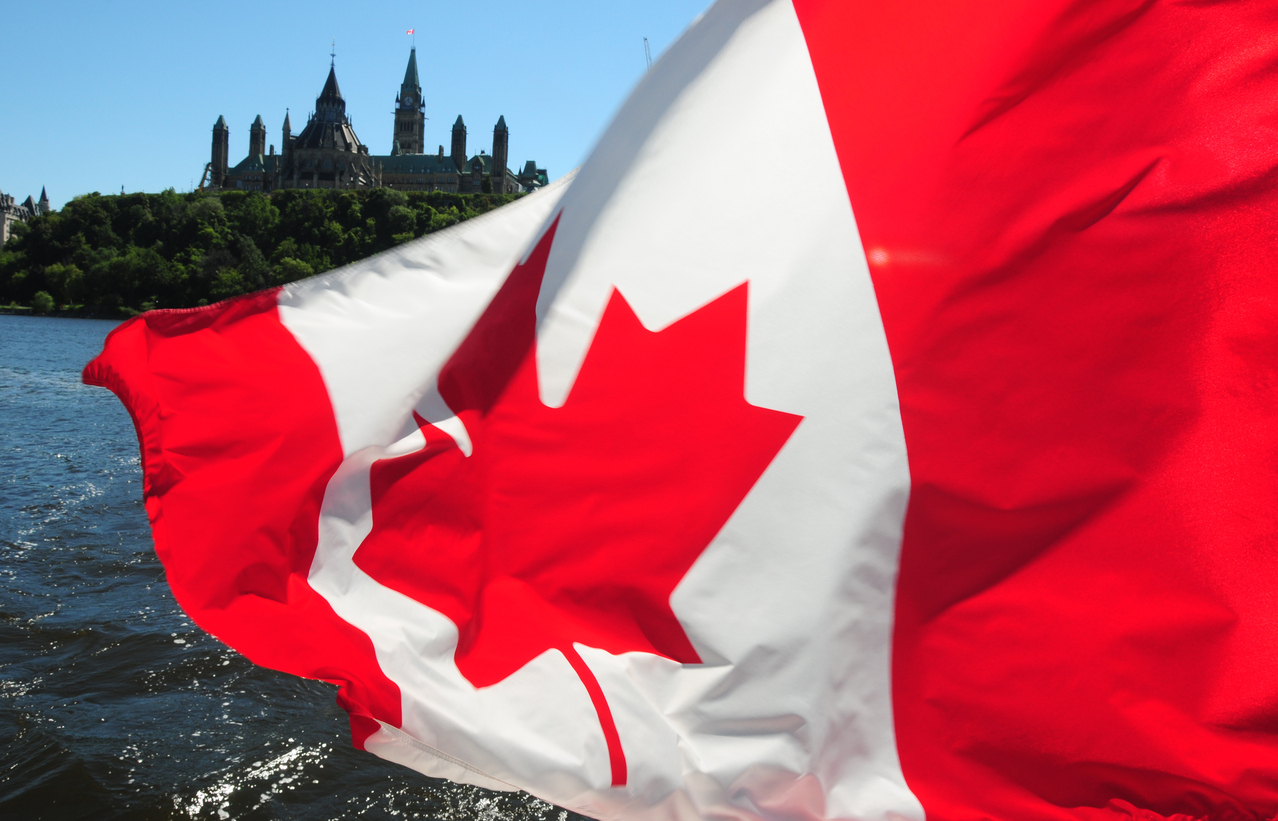

    The Bank of Canada has scheduled its next interest rate announcement for July 11, 2018. This is when they will publicly say if interest rates are going to increase again or not. If they do increase, unsecured debt will be affected. Could you handle a hike?

    If you’re not sure, it may be time to think about other options.

    One of those options might be mortgage refinancing. If you’re saddled with a lot of high-interest, unsecured debt, such as credit cards, student loans, or other consumer debt, refinancing your first mortgage could give you a lifeline out.

    Essentially, a first mortgage refinance would give you money based on equity available in your home. You could then use that money to pay off your outstanding, high-interest debts. You will then be left with a single monthly payment with a significantly lower interest rate.

    Even if you’re not struggling with debt, you may be considering refinancing your first mortgage for other reasons – perhaps there’s a home renovation project you’d like to undertake, or you’re planning for a big purchase, or you have a lot of equity available in your home and want to take advantage. Whatever the reason, if you’re considering refinancing, it’s better to do it now than after interest rates increase even further.

    Why would you want to refinance before an interest rate change? For one thing, if you’re on a variable-rate mortgage, you may want to lock into a fixed-rate mortgage so your payments won’t fluctuate with the interest rate.

    If you’re thinking about refinancing your first mortgage, doing so will get more expensive as interest rates rise, which means you could be saving less over the long run.

    Take the following example:

    You have a mortgage for $200,000 with Lender A at a 7% interest rate, and you have $20,000 in credit card debt. You find that you can get a mortgage of $220,000 from Lender B with a 5% interest rate. You use the $200,000 to pay off Lender A, and the $20,000 to pay off your credit cards, and then you repay Lender B over the long-term with a lower interest rate.

    But if interest rates keep rising, you might not be able to secure as low of an interest rate for your refinancing, which could make the loan harder to pay off.

    If mortgage refinancing is on your mind, but you’re not sure if it’s the right move, we can help. DebtCare Canada can assess your situation to determine whether refinancing your first mortgage is a good idea, or if another debt consolidation method would work better.

    Don’t wait until July 11. Get in contact today to go over your options.

    Call us for a free consultation: 1-888-890-0888.

  • Happy Canada Day from DebtCare Canada!

    Happy Canada Day from all of us at DebtCare Canada!

    Today and every day we are proud to live and work in a country that celebrates diversity, freedom, and natural beauty. From coast to coast, there is something special to see in every part of Canada.

    We hope you enjoy the day spent with family and friends!


  • Two Ways to Get Out of Debt in 5 Years or Less

    What is the best way to get out of debt fast?
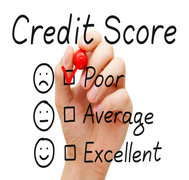
    Unfortunately, when it comes to debt there is rarely an easy way out. You likely didn’t get into debt overnight, so it’s going to take some time to regain your financial freedom. But there are options that can significantly speed up the process.

    We’re looking at two of these options: filing for a consumer proposal and securing second mortgage financing. Read on to determine if one would work for you.

    1. Consumer Proposal

    In a consumer proposal, an offer is made to your creditors to repay a portion of what you owe in lieu of the whole payment.

    A consumer proposal is generally termed over five years. It is suitable for someone who is loaded in debt, making minimum payments, has defaulted on debt, or is having problems managing payments. It stops collection action and interest.

    You might be eligible for a consumer proposal if you:

    • Have under $250,000 in debt (excluding your mortgage).
    • Are a higher-income earner who has gotten into a bad financial position.
    • Are a homeowner with some equity available.

    However, filing for a consumer proposal has its downsides, too. For one thing, it can critically affect your credit score, making it extremely difficult to qualify for credit for years after the fact. It must also be filed through a Licensed Insolvency Trustee (LIT, or formerly known as a bankruptcy trustee) who takes a portion of what you pay. And there is no guarantee that the majority of your creditors will accept your proposal; you have to prove that this option would be more lucrative for them than if you filed for bankruptcy instead.

    If you’re considering filing for a consumer proposal, it’s best to seek the advice of a qualified debt consultant who represents you and isn’t making income off of your consumer proposal.

    1. Second Mortgage Financing

    If you’re a homeowner, securing a second mortgage might be available to you.

    A second mortgage doesn’t affect the first mortgage and it can be amortized over five years to see you out of debt, without stretching out over 25 years like your first mortgage.

    It’s best suited to those with home equity (at least 20% to 30%) and good credit. If your credit score is low, but you have equity, there may still be a lender who can help but it likely won’t be a prime lender.

    A second mortgage can be a good way to consolidate debt, so long as you can make the payments on time. It can allow you to pay off your other outstanding debts and only have one monthly payment. Second mortgages typically carry a higher interest rate than first mortgages, but the rate is still often lower than the interest you might have from credit cards, car lease payments, or unsecured lines of credit.

    If your debt is so large that it couldn’t be paid off with a second mortgage, or you’re not eligible for one, then filing for a consumer proposal might still be your best option.

    You don’t have to assess your financial situation alone. Handle everything in one place and get your financial advice from someone who represents you and can deploy all financial solutions.

    At DebtCare Canada we have financial programs that offer help to people with all types of credit and income. We can help you secure a second mortgage, represent you while filing for a consumer proposal, or explore other debt consolidation options.

    Contact us today for a free consultation. Call 1-888-890-0888.

  • Will Filing for a Consumer Proposal Ruin Your Credit?

    One of the questions we’re asked most often has to do with filing for a consumer proposal and your credit score. Many people want to know – if you file for a proposal, will your credit be ruined?
    The answer isn’t as simple as “yes” or “no.”

    To start, we need to look at what classifies as having “good” credit. If your credit score is in a high range, but you’re considering filing for a consumer proposal, we’re going to hedge a bet and say you probably don’t have “good” credit.

    Good credit is more than just your score. If you’re loaded in debt, have maxed-out credit cards, and are only making the minimum payments each month, that’s not good credit. Not to mention, it’s unsustainable for long-term financial health.

    Your credit score is based on many factors, including the amount of new credit you take out, your payment history, and the amount of debt you carry. For example, if you have a total credit limit of $5,000 and consistently carry a high balance, your credit score will be impacted. So, if you’re in debt and struggling to make ends meet, it’s very likely your credit is already being affected.

    Not only that, but then you have to consider the consequences of what would happen if you miss a debt payment completely. Defaulting on your current debts is the quickest way to get a bad credit score. Missing even one payment can be detrimental. And if you default on multiple accounts (phone bills, utilities, etc.) you might lose track of what’s been paid and what hasn’t, meaning your score will be harmed even further.

    If you’re already struggling with debt, even if you’ve been making minimum payments, there may be a month where you can’t make that payment. Or if Canadian interest rates keep increasing, it could hike your debt up to an unmanageable level. And then your credit score will be hurt anyways.

    Worse still, if you do default on a payment, that bad credit will remain for seven years after it’s resolved. This means it will stay after it’s paid in full, settled in full, or included in a consumer proposal, credit counselling, or bankruptcy.

    Now let’s look at the other side of the coin: filing for a consumer proposal.

    A consumer proposal stays on your credit for three years after it is paid in full. Typically, many people pay off a consumer proposal in four or five years, so the consumer proposal credit score could stay on your record for seven or eight years if you follow this path. But because you make a single settlement that addresses all debt, once the creditors accept it, you don’t have to take four or five years to pay if off. If you have the funds, it can be paid in full at any time.

    Plus, if you can make more than the minimum payments, you can pay off a consumer proposal sooner and start credit repair that much quicker.

    You can also start rebuilding credit right away after filing for a consumer proposal. Getting a personal loan or a secured credit card that reports to your credit report are two great ways to do it.

    Traps you want to avoid in either case, whether you file for a consumer proposal or not, are things like payday loans or creating more unsecured debt, like adding another unsecured credit card.

    In short, if you’re considering filing for a consumer proposal because you’re at the end of your rope financially and not sure how you’ll continue to manage all of your debt, your credit is probably being harmed anyways. Filing for a consumer proposal could give you the opportunity to rebuild and start fresh.

    At DebtCare, we understand how difficult it can be when you’re considering whether to file for a consumer proposal. We can help you weigh your options, deal with your debt, and, if needed, rebuild credit.

    Call us today for a free consultation: 1 (888) 890-0888.

  • 2018 Tax Deadline for Contractors Coming Up

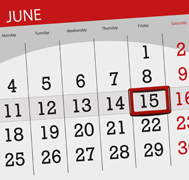
    The 2018 tax deadline for sole proprietors and partnerships is on June 15, 2018. Have you filed yet?
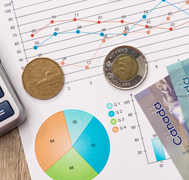
    If not, don’t panic – you still have time. But it’s in your best interest to get your taxes filed by the deadline if you owe, or else you’ll be subject to Canada Revenue Agency (CRA) late-filing penalties, interest, and potentially worse consequences.

    The CRA late-filing penalty is 5% of your balance owing, plus 1% of your balance owing for each full month your return is late, up to a maximum of 12 months.

    What’s more, if you’ve been charged a late-filing penalty on your return for 2014, 2015, or 2016, your late-filing penalty could be even higher: 10% of your balance owing, plus 2% of your balance owing for each full month your return is late, up to a maximum of 24 months.

    Plus, if you’ve failed to report an income amount on your return for 2017 and you failed to report an amount on your return for 2014, 2015, or 2016, you may be subject to a federal and provincial repeated failure to report income penalty. These are equal to the lesser of:

    • 10% of the amount you failed to report on your return for 2017; and
    • 50% of the difference between the understated tax (and/or overstated credits) related to the amount you failed to report and the amount of tax withheld related to the amount of you failed to report.

    And then there’s the interest. Unfortunately, even though the self-employed tax deadline is on June 15, 2018, if you didn’t file your return before April 30, 2018 (the personal income tax deadline), you will already be accruing daily compound interest.

    The CRA starts charging interest on May 1, 2018 for any unpaid amounts owing for 2017 – and this includes your sole proprietor return. But you’ll still have to pay far less interest if you file by June 15, 2018 then if you don’t file at all.

    And last, but certainly not least, don’t forget the HST. If your sole proprietor or partnership gross revenue is exceeding $30,000 a year, you’ll also have to file a HST return once a year, usually when you send in your income tax return.

    If you haven’t filed already, what is stopping you?

    Some common reasons we hear about are lost receipts, unorganized books, or contractors knowing they won’t be able to pay.

    Whatever the reason, there is a solution – and it’s not avoiding the problem.

    If you don’t have receipts, retrace your steps. There might be receipts that have been emailed to you, or you may be able to get duplicate copies from the providers if you have a record of the transaction in your bank account. And there are some expenses you might not need receipts for. A qualified financial professional can help you know what is needed.

    If your books are unorganized, look for help. A qualified financial professional can help you find a more sustainable system.

    If you know you can’t pay, then you need to start looking at debt consolidation options. Again, that would be something a qualified financial professional could help you explore.

    In any case, you don’t want to bury your head in the sand. That will only make the situation worse and leave you in financial disrepair. Not only will you have to deal with late-filing penalties and interest, but it could also lead to CRA collections action, such as a frozen bank account, contacting your clients and telling them to send payments directly to the CRA, or even court action.

    Don’t miss the 2018 tax deadline. If you’re in a tight spot, DebtCare Canada can provide financial guidance to help you out.

    Call us today for a free consultation: 1 (888) 890-0888.

  • Bank of Canada Mortgage Rates Stay at 1.25% After May 2018 Announcement

    The Bank of Canada mortgage rate is remaining at 1.25% for now.

    In an announcement on May 30, 2018 the Bank of Canada (BOC) said that the overnight interest will stay at 1.25%, at least until the next statement scheduled for July 11, 2018.

    The BOC said it is proceeding with caution, but that it still believes higher interest rates will be needed for the future.

    Since July of 2017, the BOC has raised Canadian interest rates (and correspondingly Canadian mortgage rates) from a record low of 0.5% to the current 1.25%. There have been three increases during that time, with the most recent hike happening in January of 2018.

    Despite the May 2018 hold, economists are predicting that the BOC will raise interest rates at least once more in 2018 — and it could be during the July 11 announcement. Currently, the predicted chances of a July interest rate increase are sitting at about 55%.

    What does this mean for your mortgage, or other debts?

    As you’re likely aware, the BOC interest rate affects all forms of unsecured debt. This can include the amount you owe on your credit cards, unsecured lines of credit, variable-rate mortgages, or any other forms of debt with a changing interest rate.

    Even if you have a debt with a fixed rate, such as fixed-rate mortgage or a fixed-rate loan, if you have a renewal coming up, the increasing interest rates might mean that your lender will renew your debt at a higher rate.

    Although Canadian interest rates are staying steady for now, it’s still important that you look at the overall picture. Consider the following:

    1. Don’t Rush into Too-Good-To-Be-True Deals

    Recently, some Big 6 banks have been offering heavy discounts on variable-rate mortgages. To recap, a variable-rate mortgage is one that changes with interest rates. If interest rates go down, your mortgage goes down. But if interest rates go up, your mortgage goes up.

    If you’re shopping for a mortgage, you’re up for a mortgage renewal, or you’re considering mortgage refinancing, these deals can look very tempting. But you need to consider the rest of the implications. If interest rates increase, as they are predicted to do, could you afford the hike? How much other debt do you carry and how would that be affected by an increase? You need to assess all the variables.

    A variable-rate mortgage could still be the best choice for you, but make sure you are comparing it to a fixed-rate mortgage and understanding that there is a greater chance of a variable-rate mortgage becoming unaffordable.

    1. Make a Plan for Your Debt

    The good news about the BOC keeping interest rates at 1.25% is that you have more time to pay down existing unsecured debt before rates increase again. So, if you haven’t yet made a plan to deal with your debt, now is the time to do so.

    Look into your debt consolidation options. It might be in your best interest to consolidate your debts into one fixed, monthly payment. This way your payment rates will remain the same no matter what happens with the interest rates, and your debt won’t rise any higher.

    1. Be Extremely Cautious About Taking on New Debt

    These interest rate increases aren’t going anywhere. In fact, this is just the beginning. The BOC has stated they still feel interest rates need to be higher. One of the reasons they kept interest rates low for so long was because Canadians needed to spend money to fuel the economy. Lower interest rates encouraged more Canadians to take out more loans, put more on credit cards, etc. But now the economy is relying less on consumer spending, which means that it will get more expensive to take out new debt and more expensive to pay back existing debt.

    If there’s a debt you’ve been considering taking out, really ask yourself if you can afford it. Take a look at your whole financial picture. Now might not be the right time to look into a new line of credit or to open up a new credit card. If you are already living paycheque to paycheque and making ends meet through loans, adding more debt is likely to only make the situation worse, especially as interest rates rise.

    Don’t wait until the next BOC interest rate increase to get your debt under control. Whether you’re affected by Canadian mortgage rates, interest rates, or just want to understand your financial picture, DebtCare Canada can help.

    We offer debt relief solutions, financing programs for loans and mortgages, and much more.

    Contact us today for a free consultation: www.debtcare.ca or 1-888-890-0888.