debtcare.ca

Author: mgoldenberg@debtcare.ca

  • Descubra cuál es el mejor método de consolidación de deuda para usted[Calculadora de deuda]

    Descubra cuál es el mejor método de consolidación de deuda para usted[Calculadora de deuda]

    Descubra cuál es el mejor método de consolidación de deuda para usted[Calculadora de deuda]

    ¿Cuál es el mejor método de consolidación de deuda para usted?

    Puede pensar que sabe la respuesta o no tener idea. ¡Cualquiera esta bien!

    Pero si quiere salir de sus deudas para siempre, es hora de poner la pregunta a prueba.

    Ingrese a nuestra nueva herramienta, la calculadora de pago de deudas online.

    ¡Con esta herramienta, puede calcular rápida y fácilmente cómo puede salir de la deuda en cinco años o menos!

    Todo lo que tiene que hacer es ingresar su deuda total (excluidas las hipotecas), luego la calculadora hará su trabajo.

    Le mostrará cuánto le costará pagar su deuda durante cinco años, en comparación con el método de consolidación de deuda, y cuánto sería el pago mensual de la deuda.

    Por ejemplo, si tiene una deuda de $ 100,000, sus opciones podrían ser:

    • No haga nada: esto le costaría $ 158,963.30 durante cinco años con un pago mensual de $ 2,649.39 por mes.
    • Consolidación de deuda: esto le costaría $ 133,466.69 durante cinco años con un pago mensual de $ 2,224.44 por mes.
    • Asesoramiento crediticio: esto le costaría $ 110,000 durante cinco años con un pago mensual de $ 1,833.33 por mes.
    • Una solución DebtCare: esto le costaría $ 30,000 durante cinco años con un pago mensual de $ 500 por mes.

    ¡Pruébelo usted mismo! Accede a la calculadora de deuda aquí.

    * Esta calculadora es solo para fines de demostración. Los resultados variarán según sus circunstancias específicas, que incluyen sus ingresos y cualquier activo. Se requiere un mínimo de $ 6,000 de deuda no garantizada.

    Si tiene alguna pregunta o desea tomar medidas para liberarse definitivamente de sus deudas, comuníquese con DebtCare Canada hoy mismo por teléfono al 1-877-296-0871 o pruebe nuestra evaluación online en https://debtcare.ca/form. html. Podemos ayudarlo a pagar su deuda y comenzar de nuevo.
     
  • Does a Lower Interest Rate Really Mean That You Should Borrow More?

    As the economy is beginning to show signs of recovery and the physical distancing rules are being eased, various benefits and deferrals mandated by the government are also ending. With the buffer being removed, it is crucial for you to evaluate your financial position to ensure that you’re prepared to handle your debt payments.


    For instance, the Canada Revenue Agency’s tax filing deadline for 2019 individual income tax returns is now September 30. Individuals who are not able to make payments by this date will likely face late-filing penalties.

    Similarly, over 700,000 households who had been given the benefit of deferring mortgage payments, will soon have to resume these payments.

    Basically, all the payments that were temporarily deferred will be due at some point.

    Interest rate update

    Today, the Bank of Canada issued a press release announcing its decision to keep the interest rate at 0.25%. The interest rate is currently being kept on the lower side to enable individuals and businesses to have access to better credit deals during these unprecedented times.

    While it may seem enticing to explore borrowing options, given that the interest rate is low, you should proceed with caution.

    Even though the BOC interest rate is lower, it doesn’t mean that all lenders will offer a low rate, especially to those individuals who already have debt to pay off. Also, additional credit can help in the short-term, but it is not sustainable, and you will eventually need a plan to pay it off.

    Long term planning is the key to eliminating debt!

    What’s the recommended course of action?

    It is important to start getting your finances back on track. Some of the things you can do to keep your finances in check are:

    • Reviewing all your liabilities and paying off high-interest debt.
    • Creating a budget and tracking expenses.
    • Avoiding unnecessary debt such as credit card expenses, until absolutely necessary.

    Following these steps will help you anticipate and address any future issues such as a lien on your property. If you feel that you need additional support, reach out to credit counseling services to assist in consolidating debt payments or filing for insolvencies.

    What’s the right solution?

    There is no one size fits all approach. Especially during these times.

    The solution usually depends on the type of debt you are carrying. For instance, mortgage debt could be dealt with through a refinancing, if enough equity is available. Unsecured debts might be eligible for settlement, and outstanding utility bills could be handled through a debt consolidation loan.

    The key is to consult with a debt counsellor who can walk you through your options and make a plan that’s tailored according to your requirements.

    At DebtCare Canada, we have helped thousands of Canadians reduce and restructure their debt. If you’re struggling with mortgage, rent payments, or any other bills, please get in touch so we can help you find a way through.

    Contact us by calling or texting 1-888-890-0888 or visit www.debtcare.ca to learn more about our credit counselling services.

    You can also find out more about our financial solutions here: https://debtcare.ca/financial-products/

    The next BOC announcement is scheduled for October 28, 2020.

  • Protección de su puntaje crediticio durante una crisis financiera

    Protección de su puntaje crediticio durante una crisis financiera

    Si ha dependido del crédito durante la pandemia de COVID-19, es probable que su puntaje crediticio se haya visto afectado. Pero no es demasiado tarde para resolver el daño.

    Así es cómo:

    Paso 1: lidiar con la deuda pendiente.

    Una de las mayores pérdidas de su puntaje crediticio es la deuda que tiene.

    Su puntaje crediticio se ve afectado por muchos factores, uno de los más importantes es la utilización de su deuda. Si está cerca de los límites de su tarjeta de crédito o tiene una alta carga de deuda, su puntaje crediticio se verá afectado negativamente.

    La forma más rápida de restablecer el crédito, y el primer paso, es ocupándose de esta deuda.

    Esto se puede lograr haciendo un presupuesto o buscando métodos de consolidación de deudas, como liquidar sus deudas, un préstamo de consolidación de deudas, refinanciamiento de hipotecas y más.

    Un asesor de deudas puede ayudarlo a revisar sus opciones.

    Paso 2: haga un plan para pagar las facturas existentes a tiempo.

    El segundo paso para reparar el daño crediticio es practicar buenos hábitos crediticios. Esto significa pagar sus facturas a tiempo y en su totalidad. Esto tendrá un mayor impacto en su puntaje de crédito si ya ha limpiado sus deudas pendientes (por eso es el paso 2).

    Describa exactamente lo que debe y cuándo debe pagarse y tenga cuidado para asegurarse de que todas las facturas se paguen todos los meses en su totalidad.

    ¿Qué pasa si no puede seguir estos dos pasos?

    Si su carga de deuda es tan alta que no puede comprometerse con estos dos pasos, entonces es el momento de considerar otras opciones.

    Dependiendo de cuánta deuda tenga, podría ser necesario presentar una declaración de insolvencia: quiebra o propuesta del consumidor.

    Esto dañará su puntaje crediticio. Si es la única forma de resolver las deudas impagas, entonces puede ser necesario, y puede trabajar para reconstruir el crédito después de presentar la declaración.

    Lo importante a tener en cuenta al considerar la insolvencia es que necesita un aliado de su lado para asegurarse de estar protegido.

    Nuestro equipo de DebtCare Canada puede hacer eso y revisar sus opciones de crédito para asegurarse de que sea la opción correcta para usted.

    También ofrecemos un programa de reparación de crédito que se ocupa de:

    •  Errores en su informe crediticio
    •  Artículos antiguos que continúan reportando
    •  Informes de artículos duplicados
    •  Disputas
    •  Mal crédito pasado: pagos atrasados, incumplimientos, quiebras
    •  Reconstrucción de crédito después de un historial de crédito malo
    •  Y más…

    Le ayudamos a reparar su crédito sin problemas.

    Obtenga más información sobre sus opciones hoy. Llame o envíe un mensaje de texto al 1-877-296-0871 para una consulta gratuita o visite www.debtcare.ca/espanol


  • 개인 회생 VS. 파산 – 두가지의 차이점

    개인 회생 VS. 파산 – 두가지의 차이점

    개인 회생과 파산의 차이점은 무엇이며, 어떠한 프로그램이 여러분에게 가장 최선의 선택이 될까요? 그 답을 알고 싶다면 다음을 읽어보시기 바랍니다!

    부채로 어려움을 겪고있는 사람들에게 개인 회생과 파산 신청은 모두 해결 방법이 될 수 있습니다. 그러나 어떠한 것이 여러분의 상황에 적합한 것인지 어떻게 판단할 수 있을까요?

    다음에서 그에 대해 살펴보겠습니다.

    • 개인 회생이란 무엇인가요?
    • 파산이란 무엇인가요?
    • 개인 회생과 파산의 주요 차이점
    • 파산이나 개인 회생 중 어느 것이 나에게 가장 적합한가요?

    개인 회생

    개인 회생은 채권자에게 부채 정리에 관하여 채무자가 합의를 제안(consumer proposal)하는 제도입니다. 이것이 consumer proposal이라는 이름의 유래입니다. 이 제도는 소비자(채무자) 인 여러분들이 채권자들에게 제안을 하는 것입니다.

    회생 신청은 여러분이 채권자들에게 빌린 금액보다 더 적은 금액으로 부채를 갚겠다고 제안하는 것이긴 하지만, 대신 여러분이 파산 신청을 했을 경우보다는 채권자들이 더 많은 금액을 받을 수 있도록 해야 합니다.

    대부분의 채권자들이 여러분의 제안을 수락해줘야 그 승인을 받을 수 있습니다.

    개인 회생에서는 일반적으로 여러분의 자산을 부채 상환을 위해 매각히지 않아도 됩니다. 개인 회생은 통상 8,000불에서 250,000불  사이의 무담보 부채나 모기지 부채가 아닌 부채들에 대해서만 신청 가능합니다. 그보다 더 많은 부채를 가지고 있다면 다른 유형의 회생이나 파산 신청을 고려해 볼 수 있습니다. 또한 회생 신청을 위해서는 여러분이 부채의 일부를 상환 할 수 있는 능력이 있다는 것을 입증 할 수 있어야합니다.

    파산

    개인 파산에서는 부채를 면책받는 대신 가지고 있는 자산을 지불해야 합니다. 모든 주에는 소유 할 수 있는 항목에 대한 특정 예외를 정해두고 있지만, 부채의 금액에 따라서는 일부 자산을 매각해야 할 수도 있습니다.

    파산은 최소 1,000불 이상의 부채를 지니고 있지만 갚을 수 없는 경우에 신청할 수 있습니다. 파산 역시 개인 대출이나 신용 카드 및 세금 부채와 같은 무담보 부채만 포함할 수 있습니다. 만일 자동차 대출이나 모기지를 상환할 수 없는 경우라면 해당 자산이 압류 될 수도 있으나, 대부분의 담보 대출은 파산에 포함시킬 수 없습니다.

    파산 면책을 받으려면 파산 관재인(Licensed Insolvency Trustee)이 정한 파산 비용 상환 일정을 반드시 충족해야 합니다.

    개인 회생과 파산의 주요 차이점

    개인 회생과 파산 신청은 서로 다른 두 가지 프로그램입니다. 주요한 차이점은 다음과 같습니다.

    • 개인 회생의 경우에는 비 모기지 부채로 25만불  미만의 부채가 있는 경우에 신청할 수 있으며, 개인 파산의 경우에는 부채 금액에 제한이 없습니다.
    • 개인 회생은 다수의 채권자들에게 동의를 받아야 하지만  파산은 채권자의 승인이 필요하지 않습니다.
    • 개인 회생을 신청하게 되면 회생 기간동안에는 신용 보고서에 신용 등급이R9 등급으로 기록되게 되지만, 회생 금액을 완납하게 되면 R7로 등급이 올라가게 됩니다. 그리고 이 R7의 등급은 회생 완납 후 3년 동안 신용 보고서에 남게됩니다.파산 신청을 하게 되면 파산 기간중 및 파산 면책 후 7 년 동안 R9의 신용 등급으로 남아있게  됩니다 (이 신용 등급은 해당 기간 동안에는 절대 올라기지 않습니다.)
    • 여러분 각자의 개인적인 상황에 따라 다르기는 하지만, 개인 회생의 경우에는 일반적으로 여러분의 모기지나 자동차와 같은 담보 자산에 영향을 미치지 않습니다.
    • 회생의 경우에는 상환을 빠르게 끝내게 되면 더욱 빨리 신용을 회복 할 수 있게 됩니다.

    파산이나 개인 회생 중 여러분에게 가장 적합한 프로그램은 어떤 것인가요?

    파산이나 회생 신청의 선택 여부는 상황에 따라 달라질 수 있습니다.

    그를 위하여 고려해야 할 질문은 다음과 같습니다.

    • 여러분의 총 부채는 얼마입니까?
    • 여러분의 무담보 부채가 얼마입니까?
    • 담보 자산의 가치는 얼마나 되나요?
    • 여러분은 부채의 일부를 상환 할 수 있는 능력을 증명할 수 있습니까?

    이러한 질문에 스스로 답을 하기는 어려울 수도 있습니다. 여러분에게 적합한 부채 해결 옵션을 결정하는 가장 좋은 방법은 저희 DebtCare Canada와 같은 채무 카운셀러에게 무료 상담을 요청하는 것입니다.

    채무자 여러분의 입장에서 도와드립니다.

    개인 회생과 파산은 모두 LIT (Licensed Insolvency Trustee, 파산 관재인)를 통해 신청되어야 합니다. 그러나 이러한 프로그램을 신청하는 경우라도 여러분의 입장을 대변해 주는 것이 중요합니다.

    파산 관재인은 회생이나 파산을 관리하지만 여러분을 대변해주지는 않습니다. A) 그들은 여러분과 채권자를 모두 대변하기에 전적으로 여러분이 편이 되어주지 않습니다. 그리고 B) 그들은 여러분이 부채 정리에 지불하기로 한 금액에 따라서 수임료를 받게됩니다.

    만일 여러분이 회생이나 파산을 신청하게 된다면 저희 DebtCare Canada와 같은 채무 카운셀러와  함께 진행하는 것이 가장 좋습니다. 우리는 여러분이 보호받으며 가능한 최선의 금액 조정을 받을 수 있도록 도와드릴 수 있습니다.

    DebtCare에서는 파산과 개인 회생 중 어느것이 여러분에게 가장 적합한지 프로그램인지를 결정하는데 도움을 드리고 그 전체 과정에서 여러분의 입장에서 도와드립니다. 우리는 여러분의 재정 상황을 검토하고 여러분에게 도움이 될 실용적인 내용들을 알려드립니다.

    부채에 관한 무료 상담을 원하신다면 지금 바로 1-866-413-3716으로 전화하시거나 www.debtcare.ca/korean을 방문하시기 바랍니다.

  • How to save your home through the COVID-19 crisis – deferrals are almost up!

    Over the past few months, due to the COVID-19 pandemic, financial institutions have provided mortgage deferment options to homeowners to ease the burden of debt. In fact, payments of more than $180 billion in mortgages and home equity lines of credit have been deferred by top Canadian banks.

    In addition to this, collections activities, by the Canadian Revenue Agency, on new debts have also been suspended until further notice to reduce the financial strain on Canadians.

    Deferrals may be up soon

    You have to keep into perspective that even though the CRA collections have been paused, they will resume soon and those who are still feeling the financial impacts of COVID-19 will need to have a plan.

    Similarly, the 700,000 households who have been given the benefit of deferring mortgage payments or provided flexible payment options for credit cards and lines of credit, for up to 6 months, will have to make payments when the deferral period ends.

    What should you do?

    What you definitely don’t want to do is wait. If you have sufficient equity in your home and a comparatively lesser overall debt, it would be easier to explore refinancing options. Refinancing your mortgage can save your credit score and help you take advantage of lower interest rates.

    However, it is a bit more complicated when there isn’t enough equity to refinance. In a situation like this, time is of the essence. To save your home during a financial crisis, it is recommended to take remedial actions immediately.

    Working with a good financial advisor is the first step. They will assess your entire financial profile and look at all the options available.

    Sometimes a consumer proposal makes more sense than refinancing – especially when the equity is limited

    What is a consumer proposal?

    It is a proposal made to your creditors, where your creditors agree to accept a single payment representing a percentage of your overall debt, that you repay monthly, normally over a term of 5 years.

    Consumer proposals are a viable option especially when you are facing collection action and want to protect your home.

    Through a proposal, you can consolidate your debt, have a single fixed monthly payment, and can keep your home. Your creditors will have to stop collection action, so if there is no lien on your home now, they can’t place one.

    If you have already started making late payments to credit, these late payments will report to the credit report for 6 years. However, a consumer proposal reports to your credit report for 3 years from when it is paid off in full. So, the good thing is, that if your financial situation improves you can pay the debt off sooner and clean up your credit history faster!

    Additionally, two years after your proposal is paid in full and your credit score bounces back, many mortgage lenders will agree to lend to you again.

    So, when considering filing for a consumer proposal, it is strongly recommended to consult a financial advisor who can look at the whole financial situation and help determine the best course of action for you.

    At DebtCare Canada, we help you weigh all the pros and cons and do everything we can to save your home.

    If you’re affected by the COVID-19 financial crisis, contact us today for a free consultation. Call 1-888-890-0888 or visit www.debtcare.ca.

  • ¿Financieramente como enfrentar?

    ¿Financieramente como enfrentar?

    ¿Financieramente como enfrentar, si la asistencia de EI no es suficiente?

    Desde el golpe de la pandemia COVID-19, muchos canadienses han estado sin trabajo y asustado financieramente . Statistics Canada descubrió que una de cada cinco empresas canadienses ha despedido a más del 80% de su personal.

    A medida que aumentan las cifras de desempleo, los canadienses han recurrido a la asistencia federal: seguro de empleo (EI) y el Beneficio de Respuesta a Emergencias de Canadá (CERB).Maclean informó que al 28 de abril, Service Canada había recibido 7.3 millones de solicitudes a través del CERB. El CERB les da a los canadienses hasta $ 2,000 por un período de cuatro semanas. Si bien esta ayuda es ciertamente mejor que nada, puede que no sea suficiente financieramente?

    Por ejemplo, incluso si una persona recibe la cantidad máxima de CERB de $ 2,000 por mes, sus ingresos anteriores a COVID-19 pueden haber sido más altos. Statistics Canada informó que los canadienses ganaron, un promedio de $ 4,383 por mes a principios de 2019. Además, algunas personas no califican para el CERB o EI, pero aún así han recibido un golpe en los ingresos. Global News informó que dos de cada 10 canadienses enfrentan salarios reducidos.

    Si está luchando para llegar a fin de mes, necesita saber cómo hacer frente financieramente.

    1. A) Mira a dónde va tu dinero.

    El primer paso es evaluar a dónde van sus ingresos y planificar financieramente. El alquiler y / o los pagos de la hipoteca serán la mayor parte del presupuesto para muchos, además de comestibles y facturas de servicios públicos. Incluya todos los pagos automáticos, como los fondos que van directamente a una cuenta de ahorros, a este total. Desglose cuánto le cuesta cada mes. Necesita conocer esta información para poder descubrir la brecha en sus ingresos.

             B) Encuentra lugares para reducir costos.

    Desde aquí, encuentre los lugares donde puede reducir costos. Para muchos, esto significará buscar formas de ahorrar dinero en comestibles y eliminar compras no esenciales. Elige los pagos relacionados con su refugio, su salud y sus obligaciones financieras (más sobre esto en el siguiente paso).

             C) Hacer frente a la deuda.

    Según Equifax Canada, la deuda promedio por consumidor alcanzó los $ 72,950 a fines de 2019. Muchos canadienses tienen grandes deudas de tarjetas de crédito, líneas de crédito, préstamos y pagos mensuales (como pagar un nuevo teléfono celular). Estos pagos pueden ocupar una parte importante de su presupuesto mensual. Eso podría haber sido manejable antes de COVID-19 (o no, una encuesta de MNP encontró que el 46% de los canadienses estaban $ 200 o menos lejos de la insolvencia). Pero incluso si antes era manejable, si ha recibido un golpe en los ingresos, puede que ahora no sea manejable.

    La respuesta no es ignorarlo, o seguir pagándolo, especialmente si necesita ese dinero para necesidades como refugio o comida. En cambio, debe mirar las opciones de gestión de la deuda.

    Solicitar insolvencia (quiebra o propuesta del consumidor) es una opción, pero no es la única. El mejor plan tiene en cuenta toda su situación financiera y analiza los tipos de deuda que debe.Aquí es donde entra un asesor de deudas (como DebtCare Canada). Le ayudamos a lidiar con sus deudas y a hacer un plan para hacer frente financieramente durante COVID-19.

    Qué hacer si no puede solicitar CERB porque no ha presentado impuestos.Hay otro problema común: puede calificar para el CERB pero no puede solicitarlo online a través de la CRA porque debe impuestos sobre la renta de años anteriores o no ha presentado sus declaraciones. DebtCare Canada puede ayudarlo a lidiar con los impuestos atrasados ​​de una vez por todas para que pueda eliminar el estrés y acceder a la asistencia de emergencia. Brindamos acceso a uno de los únicos programas que pueden resolver un problema de impuestos atrasados ​​de la CRA.

    Obtenga ayuda de deuda hoy

    Como hacer frente financieramente si sus ingresos se han visto afectados debido a COVID-19, podemos ayudarlo a determinar su mejor camino a seguir. DebtCare Canada está operando 100% de forma remota. Póngase en contacto con nosotros hoy para una consulta gratuita. Llame o envíe un mensaje de texto al 1(877)296-0871 o visite www.debtcare.ca/espanol para obtener más información.


  • CRA가 세금 추징을 재개하면 어떻게 될까요?

    CRA가 세금 추징을 재개하면 어떻게 될까요?

    CRA가 세금 추징을 재개하면 어떻게 될까요?

    캐나다 정부는 COVID-19 판데믹 동안 캐나다 거주자들을 돕기 위해 여러 구호 조치를 시행했습니다. 이러한 조치들에는 각 종 베네핏들의 추가 제공과 채권 추심의 일시적 중단, 세금 신고 기한 연장이 포함됩니다.

    캐나다 국세청 (CRA)은 또한 2020년 9 월 1 일 이전까지 2019 년분 개인 소득세 신고를 사람들에 한 해서는 기한 후 신고에 대한 벌금을 징수하지 않을 것이라고 하였습니다. 또한 2019 년 세금 신고서가 제 시기에 처리되지 않았을 경우, 2020 년 7 월부터 9 월까지의 베네핏 지급은 2018 년 세금 신고 정보를 기반으로 지급될 것이라고 발표했습니다.

    또한 추후 통지가있을 때까지 새로운 부채에 대한 추심도 일시적으로 중단되었습니다.

    이것은 앞으로 어떻게 될 것이라는 것을 의미할까요?

    마감일을 미뤄주는것은 좋은일 같지만, 이것은 단지 시간을 벌어 줄 뿐입니다.

    지불 유예를 해주는 것이 부채가 취소되었음을 의미하지는 않습니다. 사실, 현재 CRA가 제공하는 유연성은 경제 상황이 개선되고 추심 활동이 재개되면 더욱 공격적인 추심 조치로 이어질 가능성이 높습니다.

    따라서 CRA의  세금 부채를 관리하는데 문제가 발생할 것으로 예상되는 경우라면 미리 계획을 세우고 CRA가 추심 조치를 재개 할 경우를 대비하는 것이 좋습니다.

    CRA는 어떤 조치를 취할 수 있을까요?

    CRA 의 추심 부서에서 미납 부채 상환을 위하여 여러분에게 연락하게되면 처리하기 어려운 상황이 될 수 있습니다. 다른 채권자와 달리 CRA는 일반적으로 공격적인 추심 방법을 취하기에 국세청 직원과 상환 계획에 대하여 협상하는 것은 더 어렵습니다.

    때로는 여러분의 거래 은행, 근무처, 보유한 자산과 같은 중요한 정보들을 국세청과 공유하는것이  합리적으로 보일 수도 있습니다. CRA는 여러분과 협상 할 것 처럼 이야기하며 재정 공개 양식(financial disclosure form)을 작성하라고 요구하지만, 아마도 여러분이 감당할 수 없을 정도의  지불을 요구할 지도 모릅니다. 그런 다음 그들은 여러분이 제공한 정보를 이용하여 사전에 아무런 경고도 하지 않고 여러분의 은행 계좌를 동결하거나 급여를 차압 또는 여러분의 주택에 저당을 설정하기도 합니다.

    부채를 갚을 수 없는 경우라면 CRA와 협의하여 부채를 분할 상환하는 지불 방식에 합의 할 수 있습니다. 그러나 CRA와 직접 협상을 시도하는 것은 권하지 않습니다. 여러분의 상황을 악화시키지 않고 적절한 협상을 할 수 있도록 언제나 대리인을 통하여 국세청과 이야기 하시기 바랍니다.

    만일 여러분에게 상환 불가능한 부채가 CRA에 있다면 어떻게 해야할까요?

    개인 부채 관리와 관련하여, 특히 CRA와 관련할 때는, 항상 사후적 접근보다는 적극적인 접근 방식을 갖는 것이 좋습니다.

    개인과 기업에 부여된 일시적인 부채 탕감은 곧 끝이 나게 될 것입니다.

    DebtCare Canada와 같은 금융 컨설턴트는 모든 옵션을 분석하고 다양한 상환 전략을 논의하며 부채 문제를 해결하는데 필요한 정보들을 모으는데 도움을 줄 수 있습니다. 여기에는 세금 납부를 위한 자금 확보를 위한 다른 부채의 정리, CRA 부채를 갚기 위한 주택 자산의 활용, 채권 추심  방지를 위하여 연방 정부 프로그램을 활용하고 매월 지불 가능한 현실적인 월 상환금을 지불 할 수 있도록 하는 것들이 포함될 수 있습니다.

    DebtCare는 또한 CRA 체납 세금 문제를 해결할 수 있는 유일한 프로그램들 중 하나에 대한 접근을 제공할 수 있습니다. 이 프로그램으로:

    여러분의 주요 세금 부채가 종종 줄어들 수 있습니다.

    이자와 벌금은 즉시 중단됩니다.

    월 1 회 납입이 가능합니다.

    DebtCare Canada에서는 세금 및 채권 추심 문제를 해결하기 위한 무료 상담 및 부채 상담을 제공하고 있습니다. 1-866-413-3716으로 전화하시거나www.debtcare.ca/korean을 방문하셔서 자세한 내용을 알아보시기 바랍니다.

  • Homeowners: How to Cut $25,000 of Debt Down to a Minimum Payment of $320.00 Per Month?

    With the COVID-19 pandemic affecting the overall income of most households, it is wise to re-evaluate your financial plans to ensure that you’re able to pay your debt and retain your assets. This is particularly useful if you’re anticipating additional expenditure or a decline in your monthly income.

    If you are looking for ways to reduce your overall debt or restructure your monthly payments, you can look into a home equity loan.

    Obtaining a second mortgage, by leveraging your home equity, is a very practical solution that many homeowners in Canada opt for.

    What is a second mortgage?

    As the name suggests, a second mortgage is an additional loan taken on a property that is already mortgaged. It is secured on the basis of your home equity.

    • Second mortgage is behind your first mortgage, so if you like your first mortgage rate or are currently locked into the first mortgage – a second mortgage enables you to unlock equity without any disruption to your first mortgage.
    • A second mortgage opens you up to more lenders – because second mortgages are smaller, there are more lenders offering them including private lenders.
    • Second mortgage lenders often lend based on equity and not your credit and income. So, if your credit is bruised or you are self-employed, you can still get the help you need.

    How much equity is needed to get a second mortgage?

    Lenders use a calculation called Loan to Value (LTV) ratio when deciding how much of your equity they will loan you. Generally:

    • If you have a strong income and decent credit you can borrow up to 80% of your home equity.
    • If you have poor credit, limited time on the job, or income that can’t be proved – then you can borrow up to 65%-75% of your home equity.

    While banks offer second mortgages – it is always best to go through a mortgage broker for this type of financing. This is because many lenders who offer second mortgages don’t lend to the public directly and only work through brokers. Some of the advantages of working with a broker include:

    • A broker is able to look at your financial profile and know immediately which lenders will work with you. This makes the approval process faster.
    • A broker has an in-depth understanding of the mortgage closing process where secondary financing is concerned and will be able to expedite your closing more efficiently.
    • Brokers who offer finance and debt consulting will be able to offer other financial solutions if, for some reason, you can’t get the mortgage.

    So, is a second mortgage right for you?

    At DebtCare Canada, we can help you evaluate your options and explore a variety of different solutions. There are a number of ways to deal with debt and it is vital to create a well-thought-out plan to eliminate your debt for good.

    Special situations, like the current pandemic, call for special resources. We have access to private mortgage lenders that don’t lend directly to the public and only work through brokers. Contact us today to discuss your options – including second mortgages, home equity loans, HELOCs, and more.

    Contact us today for a free consultation. Call or text 1-888-890-0888 or visit www.debtcare.ca.

  • Protecting Your Credit Score During a Financial Crisis

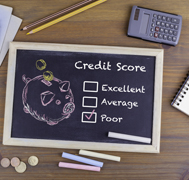
    If you’ve been relying on credit during the COVID-19 pandemic, your credit score has likely taken a hit. But it’s not too late to resolve the damage.

    Here’s how:

    Step 1: Deal with outstanding debt.

    One of the biggest drains to your credit score is the debt that you owe.

    While your credit score is affected by many factors, one of the most important is your debt utilization. If you are close to your credit card limits or otherwise carrying a high debt load, your credit score will be affected negatively.

    The quickest way to re-establish credit — and the first step — is by taking care of this debt.

    This can be accomplished by budgeting or by looking at debt consolidation methods, like settling your debts, a debt consolidation loan, mortgage refinancing, and more.

    A debt counsellor can help you review your options.

    Step 2: Make a plan to pay existing bills on time.

    The second step to repairing credit damage is to practice good credit habits. This means paying your bills on time and in full.

    This will have a bigger impact on your credit score if you have already cleaned up your outstanding debts (which is why it’s step 2).

    Outline exactly what you owe and when it must be paid and take caution to ensure that all bills are paid every month in full.

    What if you can’t do these two steps?

    If your debt load is so high that you can’t commit to these two steps, then it’s time to consider other options.

    Depending on how much debt you are carrying, it might be necessary to file for insolvency — bankruptcy or consumer proposal.

    While this will harm your credit score, if it is the only way to resolve unpaid debts then it may be necessary — and you can work to rebuild credit after you file.

    The important thing to keep in mind when considering insolvency is that you need an ally on your side to make sure you stay protected.

    Our DebtCare Canada team can do that and review your credit options to ensure it’s the right choice for you.

    We also offer a credit repair program that deals with:

    • Errors on your credit report
    • Old items continuing to report
    • Duplicate items reporting
    • Disputes
    • Past bad credit – late payments, defaults, bankruptcies
    • Rebuilding credit after bad credit history
    • And more…

    We help you repair your credit – hassle-free.

    Learn more about your options today. Call or text 1-888-890-0888 for a free consultation or visit www.debtcare.ca.